
THE PARADOX OF OUR AGE
We have bigger houses but smaller families;
more conveniences, but less time;
We have more degrees, but less sense;
more knowledge, but less judgement;
more experts, but more problems;
more medicines, but less healthiness;
We've been all the way to the moon and back, but have trouble crossing the street to meet the new neighbour.
We built more computers to hold more information to produce more copies than ever. but have less communication;
We have become long on quantity, but short on quality.
These are times of fast foods but slow digestion;
Tall man but short character;
Steep profits but shallow relationships.
It's a time when there is much in the window, but nothing in the room.

- H.H. The 14th Dalai Lama
Hello to whomever is reading this. The year is 2024. My name is Travis. The epiphany that I can communicate with future generations has recently dawned on me and I feel the need to begin participating in the telecommunications renaissance I currently find myself living through.
If you’ve made it this far, you’ve read the passage from the latest Dalai Lama that hangs in the living room of my home. There has been a vast amount of change that has taken place in the 25 years I can remember, but we humans still find the need to put words we can connect to on the walls of our home. The fact that you are reading this supports the undeniable truth that humans are connected through space and time like never before. This technological prowess is not without its own set of paradoxical developments, some called out in the passage above. I won’t pretend to know what the world is like when you are reading this, but I can spend some time expanding on the world as I know it today.
The passage above began on a scroll I purchased in Arlee, Montana at Garden of One Thousand Buddhas. Thanks to modern technology, I can show you exactly the place I bought it:
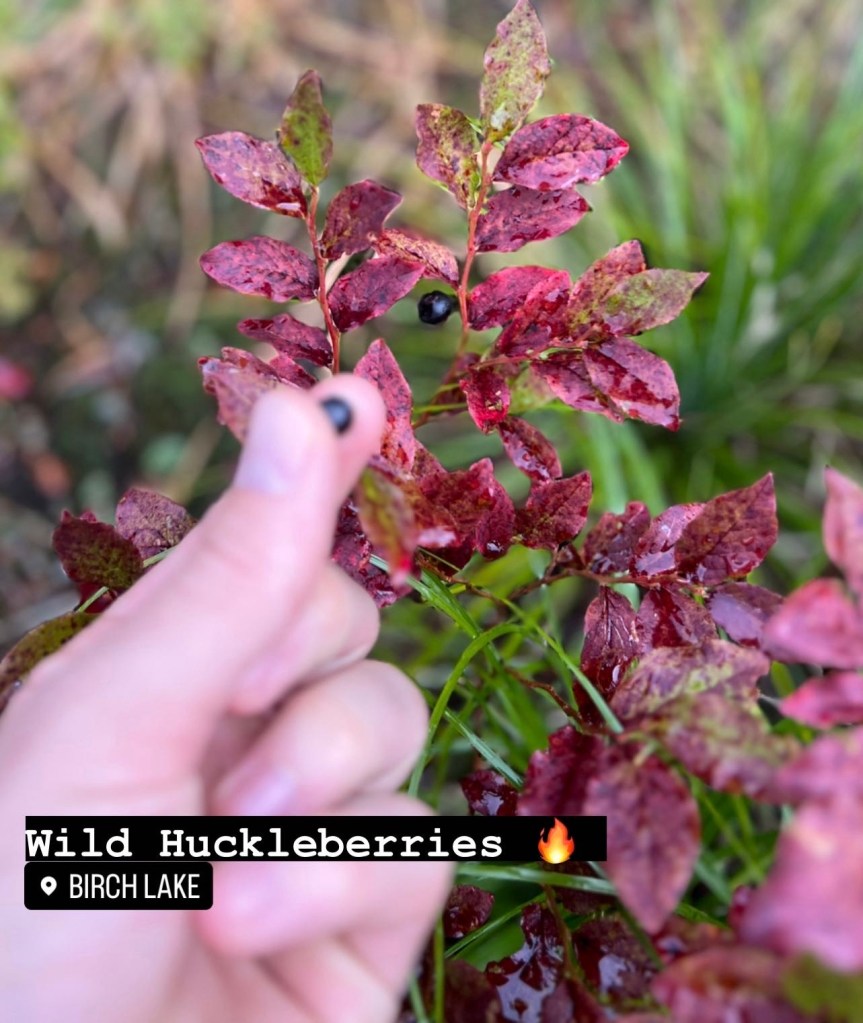
I took a picture of the scroll with my iPhone, then copied the text out of the picture on the iPhone into this blog post. This relatively trivial functionality probably pales in comparison to the AI enabled tools you now have access to, but in my day, it’s pretty groundbreaking. When I was a child, we would have had to type the text from the parchment into this blog by hand. Now a Convolutional Neural Network can “read” the text for us. Pretty neat. The same technology can be used to identify flora simply by taking a picture of it on the iPhone and pressing a button. It’s how I determined the berry below was a Huckleberry (and not going to give me dysentery when I ate it!).
Montana was a beautiful place when I went to visit. The sky had a tendency to overwhelm the landscape, leading to the nickname “Big Sky Country”. Within the borders of Montana is one of the most breathtakingly beautiful places I’ve ever seen – a place called Glacier National Park. They say a picture is worth a thousand words. Here’s 4000 words to describe Glacier National Park.
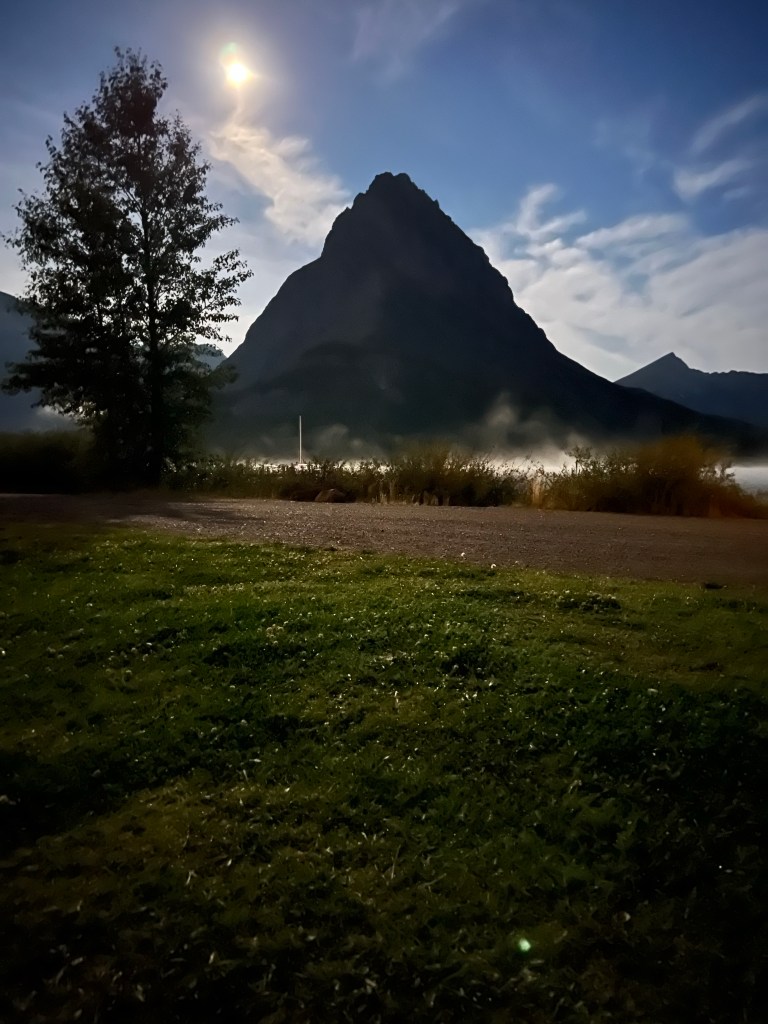
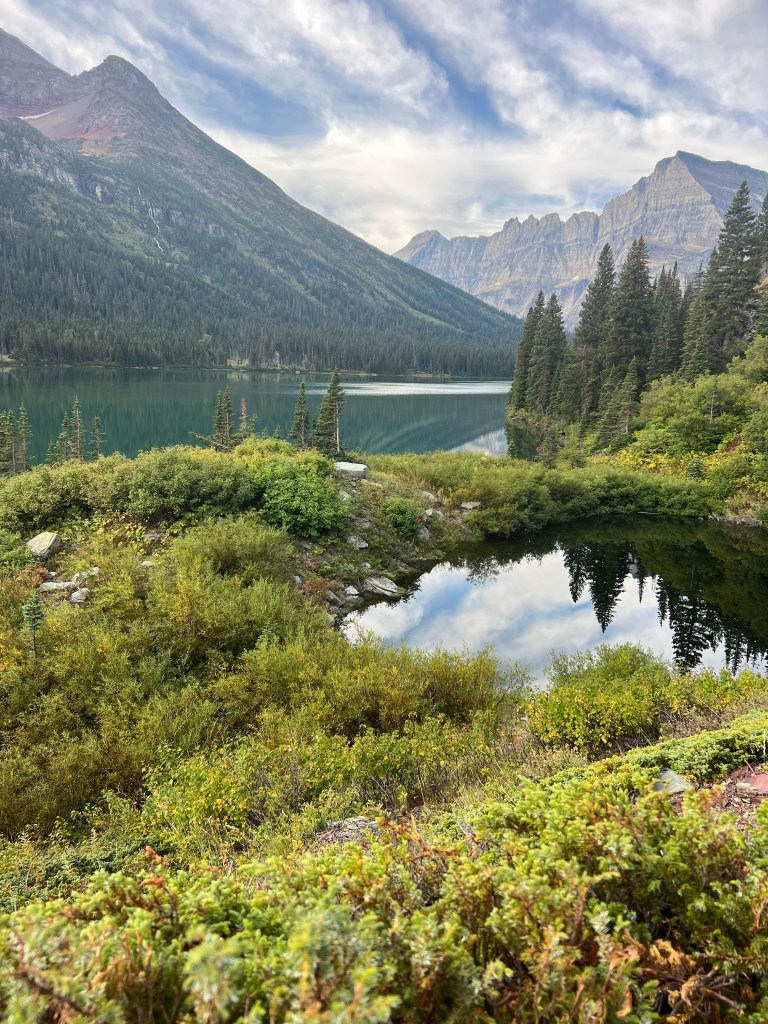

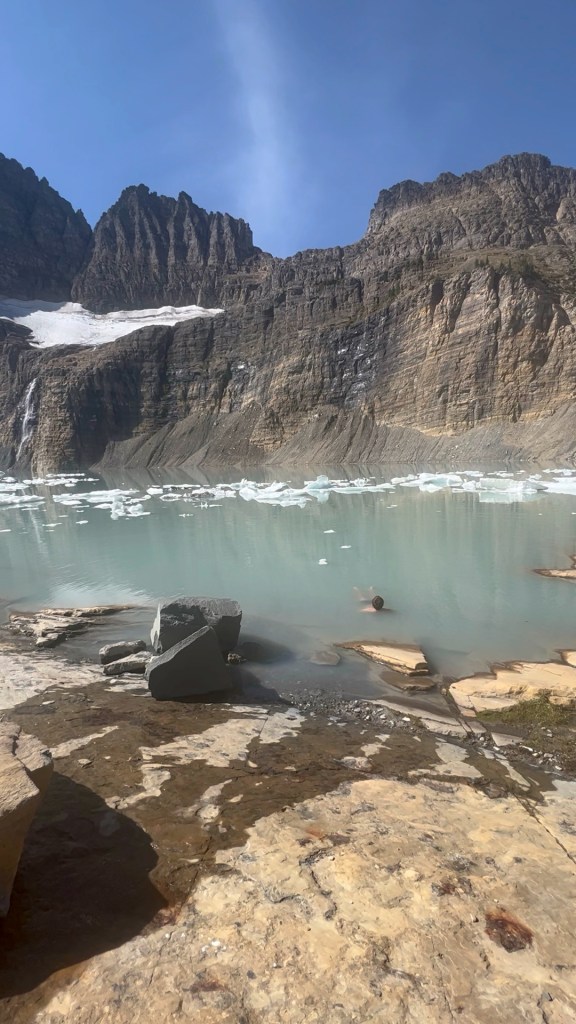
The eerie green glow of Grinnell Lake is caused by mineral sediment that comes from runoff from the melting glaciers and collects at the bottom of the lake. The park is filled with these two hundred foot waterfalls formed from the melting glaciers. People come from all over to see the waterfalls and some are even brave (or crazy) enough to swim in the sub 40 degree water in the alpine lakes. That last picture is me plunging in the glacial melt from Grinnell Glacier. I had a spiritual experience laying in the water for 90 seconds – I saw the whole life of the glacier flash before my eyes. Visually, it was astonishing the rapid changes that have taken place in the last couple hundred years. It dawned on me that the beauty of the waterfalls is undermined by the sad reality that they are evidence of melting glaciers. It fills me with sorrow to share the statistic that was shared with me during my visit to Glacier National Park:
“There were over 110 glaciers present in Glacier National Park in 1910 when President Taft signed the bill into law designating the area as a Nation Park. In 2023 there are less than 20 remaining.”
– Brady, Swiftcurrent Lake Boat Operator
It’s undeniable that technology has made the world a better place than it was in 1910. Infant mortality rates have exponentially decayed. Access to education has skyrocketed. Access to clean drinking water is more widespread. Life expectancy has increased dramatically. Yet there’s an emptiness to life in the current era. We are densely connected in social media companies’ graph databases, yet struggle to build intimacy in our personal relationships. Our life expectancy has increased yet many of us stop living life to our maximum potential at an earlier age. We have more education yet fewer leaders. There’s more information available at our fingertips than ever before yet our attention spans are shorter.
An inconvenient truth present in 2024 is that there is an ongoing conflict between technology development and conservation of the natural world. The same technology used to “read” text in iPhone photos and identify the Huckleberry requires an astonishing amount of electricity and water (cooling the data centers used to train GPT-3, the model underlying one of the most powerful AI tools present in 2023, ChatGPT, consumed nearly 700,000 liters of water!) to properly train the models. A tradeoff humanity will inevitably have to grapple with is the benefit of better understanding of the world at the cost of accelerating the destruction of the planet. The preeminent richest men in the world have all but come out and admitted that they believe humanity has a better chance of colonizing space than saving the planet we’re on. I pray that the majesty of the park is still preserved during the time you are reading this.
 Travel, Nature, Growth
Leave a comment