“There were horses, and a man on fire…”
“Get in loser…”
Say the first to a millennial man or the second to a millennial woman, and they are bound to finish your sentence with glee. The first quote from Anchorman and the second from Mean Girls are relics from a bygone era when top-down distributed media (magazines, movies, video games, music, etc.) monopolized culture. Producing and distributing media used to require an enormous amount of capital. Why wouldn’t you believe the people spending all that money to disseminate information? A more extreme example millennials grew up with is the “two-choice” news: CNN and their left-leaning views, and Fox News with their Republican take on the world. Like Ron Burgundy in Anchorman, many of our grandparents grew up believing anything put on that teleprompter. Differences are to be celebrated: a hallmark characteristic of a healthy democracy is balance in belief, usually expressed through healthy debate. Checks and balances keep the system running smoothly. The alternative form of universal conformity to one set of beliefs is antithetical to the ideas on which the US was founded.
The proliferation of smartphones democratized culture and flipped the media distribution model from top-down to bottom-up. Anyone can create content (culture) and push it out to the world now. This capability has deluded the power that movie studios, music labels, and publishing companies have traditionally held. Reinforcement learning models govern the channels of distribution based on a vast surveillance economy that stores every click, every forward, and every microsecond we spend staring at content. Collectively, we have given up privacy on the internet in exchange for the promise of better “personalization”. Internet companies have sold us the idea that a more personalized feed is tailored to you and the clicks, forwards, and duration you spend consuming content.
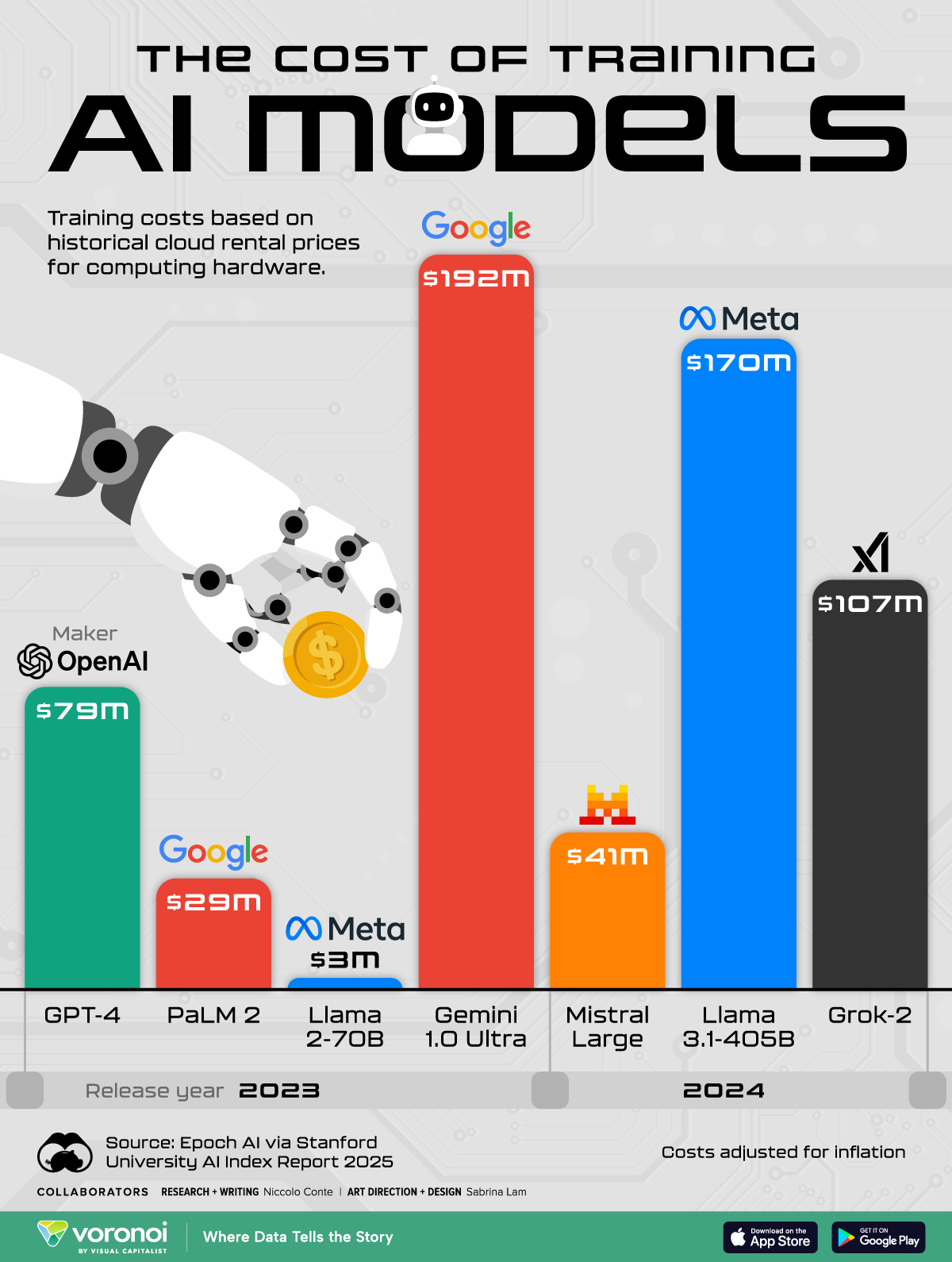
There is no doubt that this is an evolution in media distribution with incredible net benefits. One downfall of the new distribution system that many became acquainted with during the 2016 US presidential election is that the same algorithms that deliver personalized content also divide us. Segmentation is a necessary precursor to providing customized content. As the number of possible niche clusters increases and the algorithm converges on an assignment, the deeper the rabbit hole becomes, and the harder it becomes to expose yourself to different views. Social media and infinite scroll newsfeeds were humanity’s first encounter with this phenomenon. AI and the promises of personalization embedded in all interfaces designed for knowledge work will surely suffer from the same design flaw. Both systems are designed to maximize engagement and have learned to act in a maximally sycophantic manner. A human feature they exploit is the need to be understood and feel validated. Stories about users of ChatGPT swearing that it’s “sentient” and understands them better than any therapist ever has are likely stuck in a never-ending confirmation bias loop. Unfortunately, the prejudices magnified by these new systems of selective exposure, naive realism, and biased assimilation are the prejudices most prevalent in the information they are trained to parrot. The irony of the proliferation of these technologies is that the promise of better personalization leads to convergence of thought towards the most prevalent (or artificially amplified) beliefs. The greater irony is that the promise of bottom-up media distribution hailed by smartphones and social media companies is again being flipped to the top-down model with the proliferation of AI and large language models. Producing and distributing large language models requires an enormous amount of capital.
Millennials are the last generation to spend their pubescent years riding bikes outside, their high school years without social media trends, and their college years without access to AI. An underrepresented experience of my generation is we are also the last generation to have grown up with top-down media distribution. This is rapidly changing. The current cohort of students and educators are presently working through the tumultuous shift of having large language models available in the classroom. Only time will tell if this is a net-positive for learning outcomes or an accelerant of the accumulation of cognitive debt. The intersection between technology, media distribution, and shared culture is one of the most critical issues of this century.
 Travel, Nature, Growth
Leave a comment