
- Intro
- What to Pack
- What to Download
- Things to Know Before You Go
- Getting There
- Getting Around
- Places to Stay
- Places to Adventure
- Nauthúsagil
- Skógafoss
- Kvernufoss
- Dyrhólaey
- Vikurfjara Black Sand Beach
- Reynisfjara Black Sand Beach
- Katla Ice Cave
- Gígjagjá
- Fjaðrárgljúfur
- Stjórnarfoss
- Sjonarnipa – Svartifoss, Magnúsarfoss, Hundafoss via Austurbrekkur
- Vestrahorn
- Diamond Beach
- Kayaking in Jökulsárlón Glacier Lagoon
- Glacier Walk on Svínafellsjökull
- Seljalandsfoss
- Gljúfrabúi
- Places to Eat & Drink
- Places to Unwind
- Places I’m Going Next Time
- Itinerary
Intro
I recently embarked on my first solo international trip to Iceland! This guide shares my experiences in one of the most photogenic places I’ve ever visited. While it’s not the cheapest destination, the locals are incredibly friendly, and the scenery is nothing short of otherworldly in some instances. I had heard that many people become captivated by Iceland – after witnessing countless waterfalls, kayaking with seals next to icebergs, and exploring lava fields, canyons, ice caves, and even standing atop the largest glacier in Europe, I can see why!
What to Pack
The name of the game when packing for Iceland is layers. On top, it’s best to bring a good moisture-wicking base layer, an insulating warm layer, and an outer shell for the wind and water. For pants, I recommend hiking pants and a pair of rain pants for wind and water. Be sure to bring extra pairs of socks because your feet will most likely get wet! Below is what I packed for four days and three nights. I used everything I brought. Don’t forget that lithium-ion batteries (including the one in the camera!) can’t be checked in bags; they must be carried on.
Checked Bag
Since I flew economy, I could only bring one bag; thus, I checked my Away Rolling Suitcase in at the airport.
- 5 pairs of Merino Wool socks
- Underwear
- Long sleeve lounge shirt
- Dryfit hiking shirt
- Wool sweatshirt
- Shorts
- Hiking Pants
- Microspikes
- GORE-TEX Outer Shell
- Down Jacket
- GORE-TEX pants
- Liner gloves
- GORE-TEX gloves
- Hiking sandals
- Headlamp
- Backpack duck cover
- Silica packets to dry out shoes
I’m one of those GORE-TEX advocates Matt Lyons makes fun of, and it came in CLUTCH on this trip. Iceland is notoriously gusty, with places like Dyrhólaey regularly getting 40+ mph gusts of wind! GORE-TEX is waterproof and (by proxy) windproof as well. It’s also not cheap, but well worth the investment when you can literally walk away from a waterfall completely dry and then get blasted by 40+ mph winds on the beach in the same day. The only downside to GORE-TEX is that it’s not eco-friendly, and your day will be ruined if water somehow penetrates the material. It’s a blessing and a curse – it doesn’t let water in, but it doesn’t come out once it finds its way in! GORE-TEX boots, in particular, take a looong time to dry out once they get wet. Leaving Silica packets inside the shoes at night is a hack I’ve found to dry out wet boots faster.
Carry On
I carried my 45L Peak Design Backpack on the plane with me. This backpack also served as my main day hike pack. It’s super water resistant and has a totally airtight zipper system which came in handy around all the water.
- Camera bag
- Camera
- 16-24mm Lens
- 24-70mm Lens
- Memory card
- 70-200mm Lens
- Camera Flash
- Journal / Pen
- Macbook
- Toiletries
- Vitamin Planner
- Zoom Voice Recorder
- Beanie
- Snacks
- USB-C to USB-C Charger
- USB-A to USB-C Charger
- 120V to 220V adapter
- Battery power pack
- Water bottle
I didn’t pack one, but remember to bring a 120V to 220V adapter. Iceland is in Europe, and Europe uses 220V. Thankfully, a guy at the hostel gave me an extra one he had!
What to Download
There are some useful things to download on your phone prior to leaving the US:
- Offline Google Maps
- Alltrails Hikes
- Music Playlists
- Parka app
- Iceland Weather app
It’s also worth checking with your cell phone plan provider to see if international data is included with your plan. At the time of writing, I have Verizon’s Unlimited Plan, which includes up to 15GB of 5G and then unlimited 3 G data for international use. You may need to buy data bandwidth if your plan does not include it. An alternative solution is discussed in the Getting Around section.
Things to Know Before You Go
Iceland is a photographer’s paradise, and the people are wonderfully friendly! That said, it is a sovereign nation with its own set of quirks:
- 112 is Iceland’s 911 or the number you call for emergency services.
- Iceland is five hours ahead of US/Central time.
- In the summertime, the sun never really sets, and in the wintertime, it never really comes out. I went in May, and I would call it “twilight” even at one o’clock in the morning! You won’t see the Northern Lights or be able to do astrophotography in the summertime.
- Iceland is expensive. It’s an island, so the cost of goods is marked up accordingly. Food in particular is really marked up – expect to pay at least $20 for a meal for one everywhere you go, especially in the touristy spots. Four days and three nights cost me nearly $2500.
- In my experience, people in Iceland prefer direct communication over exchanging pleasantries. Don’t be offended if employees keep it short with you if you ask, “How are you?”.
- Websites in Iceland end with .is and are almost always loaded in Icelandic. Fear not; there is usually an option in the Cookies pop-up or on the website’s navigation banner to switch the language to English. The same applies when you go to the gas station and have to pay at the terminal. Since it’s Europe, you have to select the option that looks like the flag of Great Britain for English.
- Driving is pretty much the same as it is in the US with a few notable exceptions:
- All the signs and readings in the car are presented in meters and kilometers. There are 1.6 kilometers in one mile; thus, 90 KM/hr is roughly 56 miles/hour. The speed limit on Ring Road ranges from 50-90 KM/hr or 21-56 miles/hour. Going 20 KM/hr over the speed limit is akin to driving 12.5 mph over.
- There are a ton of roundabouts in Iceland. IMO, they’re superior to traffic lights for optimizing traffic flow and don’t pollute the night sky. One glaring difference from driving in the US is that the driver on the inside lane of the roundabout has the right-of-way. This takes some getting used to—the first few times I found myself in a roundabout, I was waiting for the ingress cars to pull out in front of me.
- On the Ring Road, there is no shoulder. Pulling off the road is illegal except for emergency cases. Don’t pull over on the side of the road to take a photo – there are plenty of pull-offs if you’d like to take photos!
- When you go to the gas pump, there is no such thing as “Unleaded. There is 95/E5/E10 and Diesel. In the US, the green pump is usually “diesel”, while in Iceland, it is usually 95 or E10.
- It is illegal to touch someone’s horse without first obtaining their permission. You’ll see a lot of horses on the side of the road and may be tempted to get out and try to pet them. DON’T! You probably don’t want to anyway, as most of the horses are not vaccinated. Also, don’t call them “ponies.” Those can be fighting words, as Icelandic horses are bred to be strong and durable (95% of the horses live outside year-round).
- Iceland’s tap water is free and comes from filtered glacier melt. 99% of places will give you water or fill up your bottle for free without question.
- If you plan to get in the hot spring, YOU MUST SHOWER NAKED BEFORE GETTING IN THE HOT SPRING. The purpose is to get the oils off your body, and honestly, it makes a lot of sense if we’re all sharing the same pool of water. The tourist springs have showers with a chest-high door for privacy. The Icelanders are friendly, but refusing to do this is asking for a fight.
- If the sign says you must pay for parking, PAY FOR THE PARKING! I learned this the hard way when I went to Reynisfjara at 0730 in the morning. I was the only car there and thought I’d game the system. It was not until I returned the rental car at the airport that I found out that I had been cited for failing to pay for parking. The $8 parking fee turned into $34 for the ticket.
- Mythology heavily influences Icelandic culture, and the belief in magical creatures like elves and trolls is a substantial part of the culture. They take these things seriously – the government has to get permission from locals before clearing out large boulders, as they are considered the gathering spot for elves who bring good fortune. If you find some out-of-place pile of trinkets next to a giant rock, it’s probably an offering to the elves by a native seeking good fortune; best to leave it alone.
Getting There
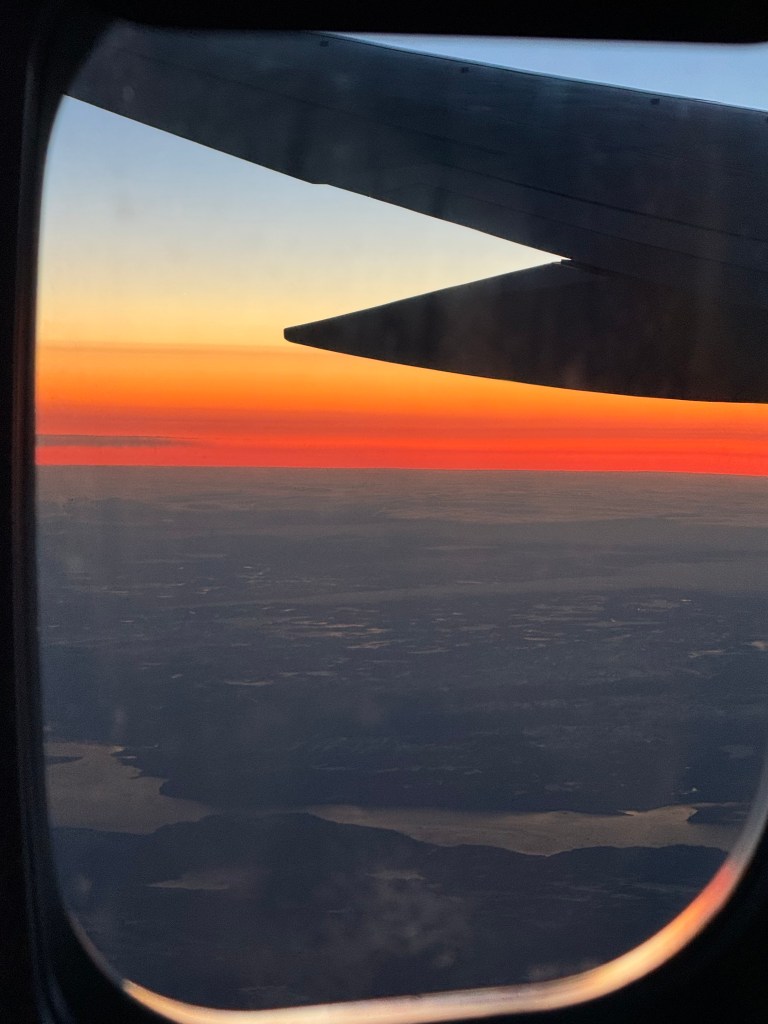
Iceland is one of the cheaper international flight options, considering you fly across an ocean. I booked an economy flight through ICELANDAIR three weeks before my trip, and it was roughly $700 round-trip from Denver (DEN) to Reykjavik (KEF). I later added a bag for $80 for both ways. If you subscribe to their email, they always have deals – I saw round-trip flights from Seattle / Portland to Reykjavik at the end of Summer 2025 for only $399. If you go in the summer, getting a window seat is worth viewing the sunset at 30,000 feet. The sunset lasts for what feels like hours and is jaw-droppingly beautiful:
Another option that not many people know about is a “Stopover.” If you book a flight from the US to a destination in Europe using ICELANDAIR, say from Denver to Paris, you can elect to have a layover in Iceland added to your trip free of charge. Pre-COVID, they would even offer bundled hotel and airfare for a night or two! This is an easy way to add a few days in Iceland to the beginning or end of a larger Eurotrip.
The airline is secretly a massive marketing front for the whole tourism industry in Iceland. Before you can watch your in-flight entertainment, they force you to watch a 4-minute advertisement for all things Iceland. It’s a bit cringeworthy, but I picked up some fantastic recommendations from the video, namely the Sky Lagoon. The food on the plane is quite good too. I got the chicken korma on the way to KEF and the Ham and Cheese Baguette back to Denver. On the way back to Denver, I splurged and got some other Icelandic treats:
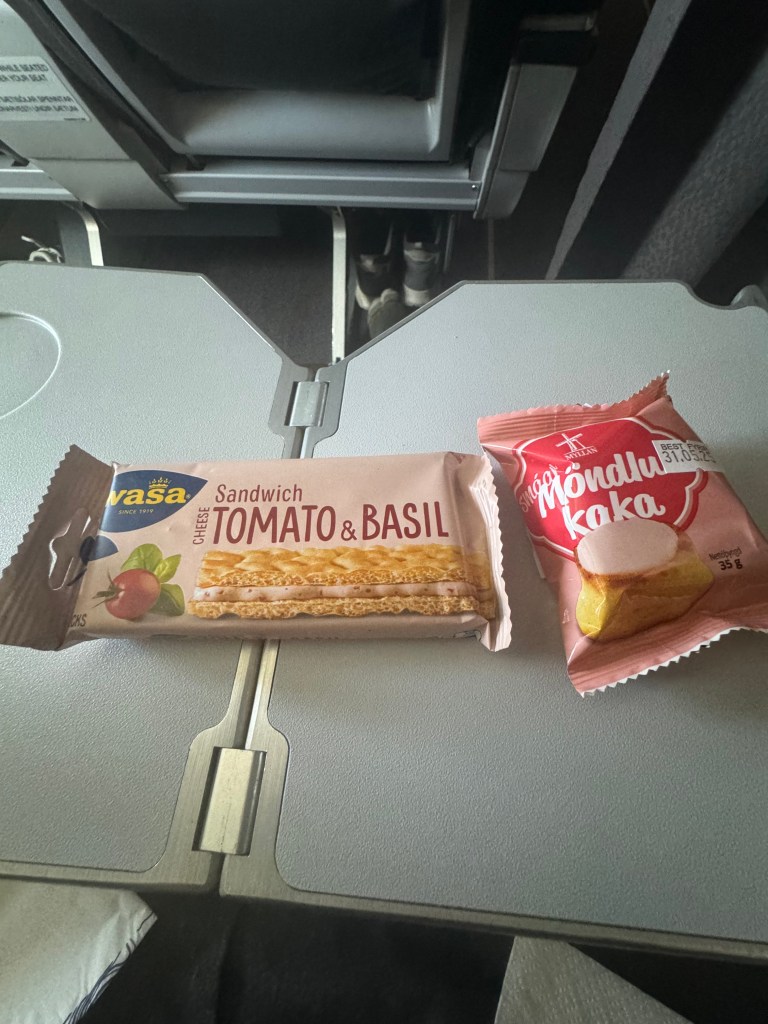
The food in economy was on par with some first-class meals I’ve had on domestic flights in the US!
Getting Around
Iceland is a deceptively large island. Your means of transportation largely depend on how far around the Ring Road you intend to go. If you are simply doing a stopover and checking out Reykjavik or one of the tourist lagoons, plenty of shuttle services and taxis can cart you around. If you’re like me and want to get out and adventure, renting a car is your best bet. I used Blue Car Rental and found the check-in process incredibly easy and efficient. They’re excellent about emailing you reminders leading up to the trip. I learned that all rental car places have the same approach to upselling you on all the bells and whistles. I drove off-road most of the trip and didn’t purchase the add-on insurance, much to the dismay of the stern Scandinavian agent who warned me that I’d be on the hook for up to $2500 if anything happened to the car with Basic Insurance. One perk to potentiallly look into is you can add on a wifi modem to connect your devices to in the car if you don’t have international service included in your cell plan.
I highly recommend getting a vehicle with 4×4, as many gravel/dirt roads are present off Ring Road that lead to various trailheads. I went in Late May during the rainy season and scored a Jeep Renegade 4×4 hybrid vehicle perfect for mobbing off-road. When you pick up the rental car, don’t forget to ask for a cigarette lighter adapter to charge your phone while you drive around. It’s also best to verify with the rental car company what type of gasoline the vehicle takes. It’s best to do research to get to your adventure of choice. Even heavy-duty, high clearance 4×4 vehicles are available and are made to mob through deep puddles on the way up to the glacial hikes!
Note on Keflarvik Airport (KEF):
There is only one road to the airport, 50 minutes outside Reykjavik. Plan accordingly.
Places to Stay
There are a couple of options for sleeping at night. I booked two nights in private rooms in Hostels and one night at the Marriott by the airport. The Barn was a lovely modern hostel inspired by a warehouse design with chic amenities, a bar, and a restaurant. Skyrhusid HI-Hostel was a simpler hostel with minimal amenities, but it was cheap, in a fabulous location, and they had baked a cake for everyone!
Brick and Mortar
There are plenty of hotels, guesthouses, and hostels available on the island. It’s wise to book months in advance, as the rooms fill up quickly. If that is all that is available, you may find yourself in a shared dormitory-style room or on the hook for the most expensive suite!
Note on Hotels:
I stayed in a Marriott by the Reykjavik airport and had a few bizarre interactions. For one, the employees do not tend to you hand and foot like they do in the States. Answers can be shorter and looks less friendly. The other bizarre thing that happened is that booking.com allegedly messed up my order with Marriott, and I ended up in a twin room bed instead of the king bed I originally booked. The first woman I interacted with didn’t mention this to me, and I didn’t find out until I got up to the room and noticed it was a double twin. When I went back down to the lobby to bring the mix-up to their attention, the woman was gone. The guy who helped me fix it was super chill – he comped the otherwise $27 breakfast buffet for the trouble.
Note on Hostels:
Iceland is in Europe; hostels in Iceland and Europe have a very different vibe from hostels in the US. In my experience, the people are friendlier, pretty much everyone speaks English, the rooms are cleaner than their US counterparts, and some hostels even have a bar and restaurant. One thing to read the fine print and/or inquire about is the bathroom arrangement. Since it’s a hostel, many of the bathrooms are shared, even if you pay extra for the private room. There is a spectrum of shared bathroom experience: some are super nice with all the amenities you’d expect in the States, while others have a shared floor for both the toilet and the shower with a squeegee that you have to use while you shower to keep the room from flooding! When in doubt, try to find pictures online or call the place before you book.
Van Life
Another option is to rent a fully decked-out van you can live out of during your stay. This can be very advantageous if you go to remote parts of the island or are interested in astrophotography. Many rental options are available, and you’ll see them driving all around the island. I advise getting a van with 4×4.
Bike Packing
For the special breed of adventurous masochists out there with a lot of time on their hands, bike packing is an option for getting around the island. I don’t know the first thing about it except you have to have a special type of (super expensive) bike, tent, good rain coat, and a lot of grit. This option is not for the faint of heart, as Iceland gets 40+ mph gusts and random thundershowers throughout the day. The only reason I list it is that I saw probably 10 bike-packers while circumventing the Ring Road.
Places to Adventure
Presented in the order I went and did these things…
Nauthúsagil
The first adventure on my trip was to Nauthúsafoss waterfall, located a few miles down a dirt road from Seljalandsfoss. Once you park the car, it is a short 0.5-mile walk (AllTrails) through a canyon to get to the chains that take you up to the waterfall. It was steadily raining when I went, and the river running through the canyon had washed the trail away. I endured and made it up the chains to the falls, but not without getting my feet wet (even with GORE-TEX boots) in the process. Going up the chains was a blast, but going down next to the waterfall with my camera gear on my back was not so much. Overall, Grade A Type II fun.
Skógafoss
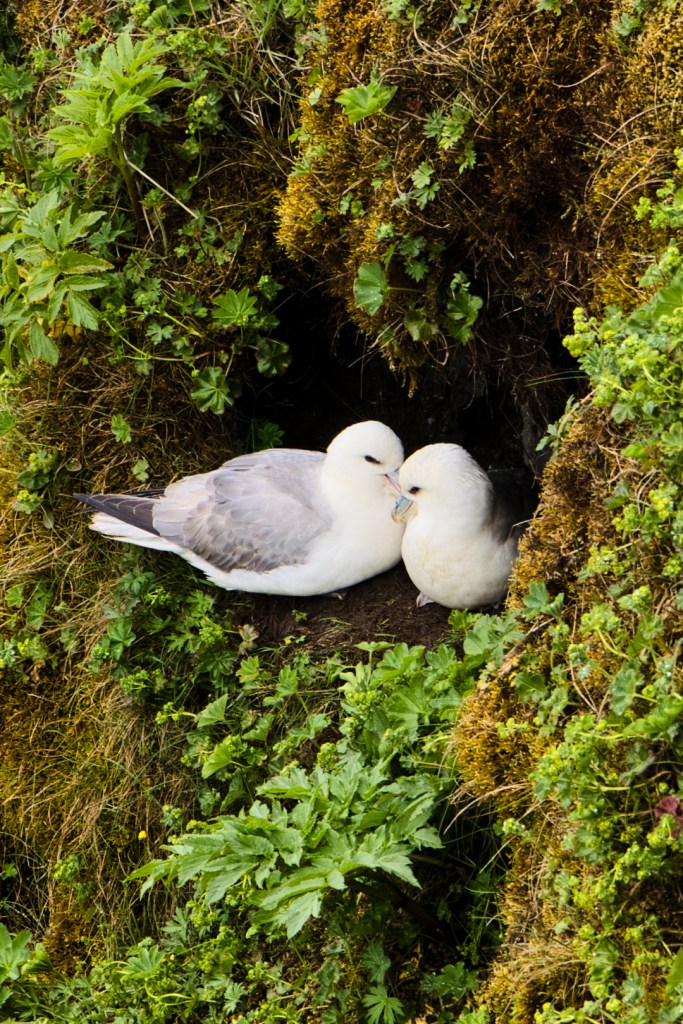
Shots of this waterfall have been included in Game of Thrones. It is MASSIVE and one of the largest natural waterfalls I’ve ever just parked and walked up to. There are literally tour buses full of people coming and going to the falls. If you elect to go up the stairs to the viewpoint above the falls, the crowd of people thins out considerably, especially as you venture further down the trail. The hike up the stairs to the viewpoint and back down is only 1.2 miles (AllTrails). There were flocks of seagulls making their nest by the falls, including these two love birds:
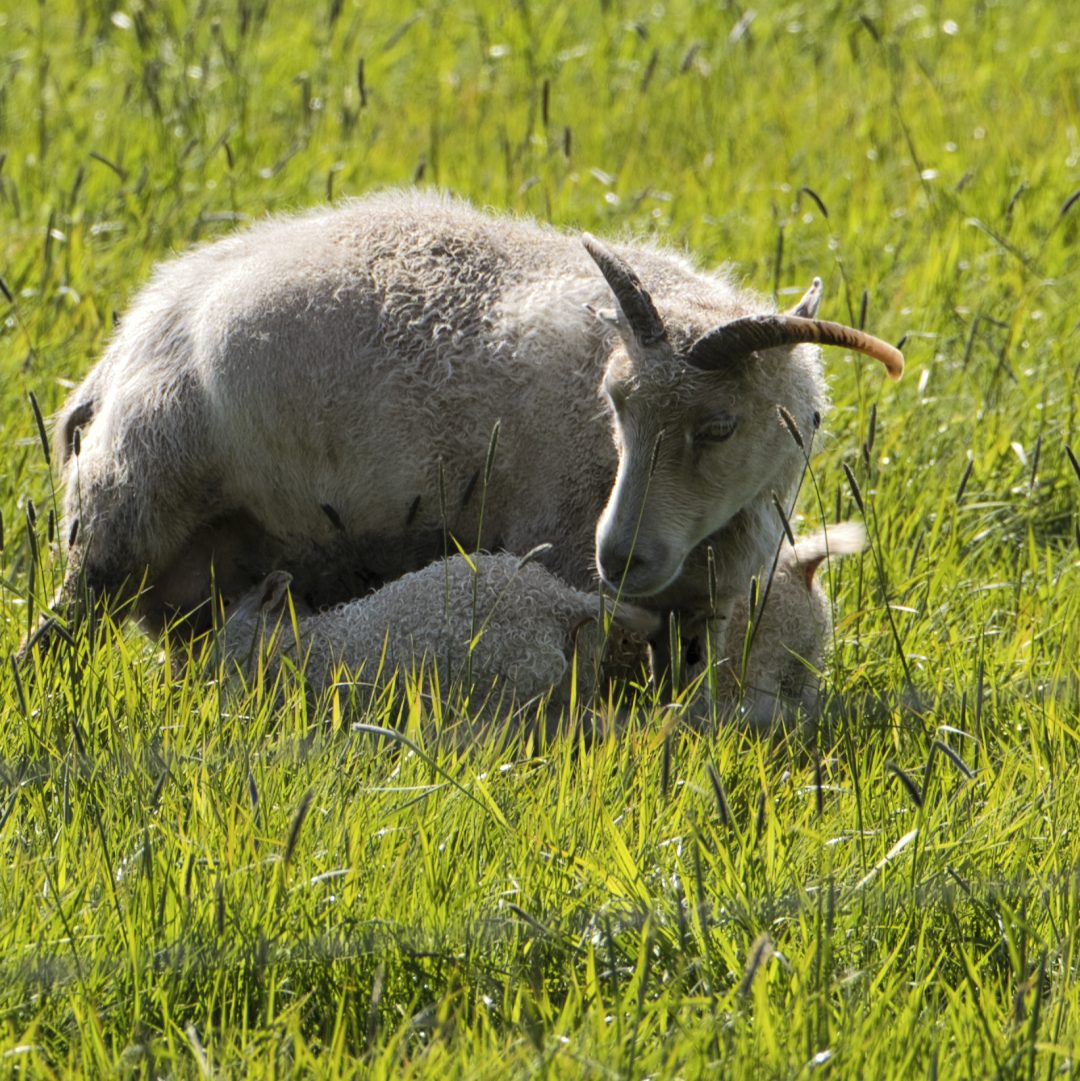
Afterwards, enjoy the sheep grazing in the meadow, get lunch or a slice of pie at Freyacafe, and hike to Kvernufoss.
Kvernufoss
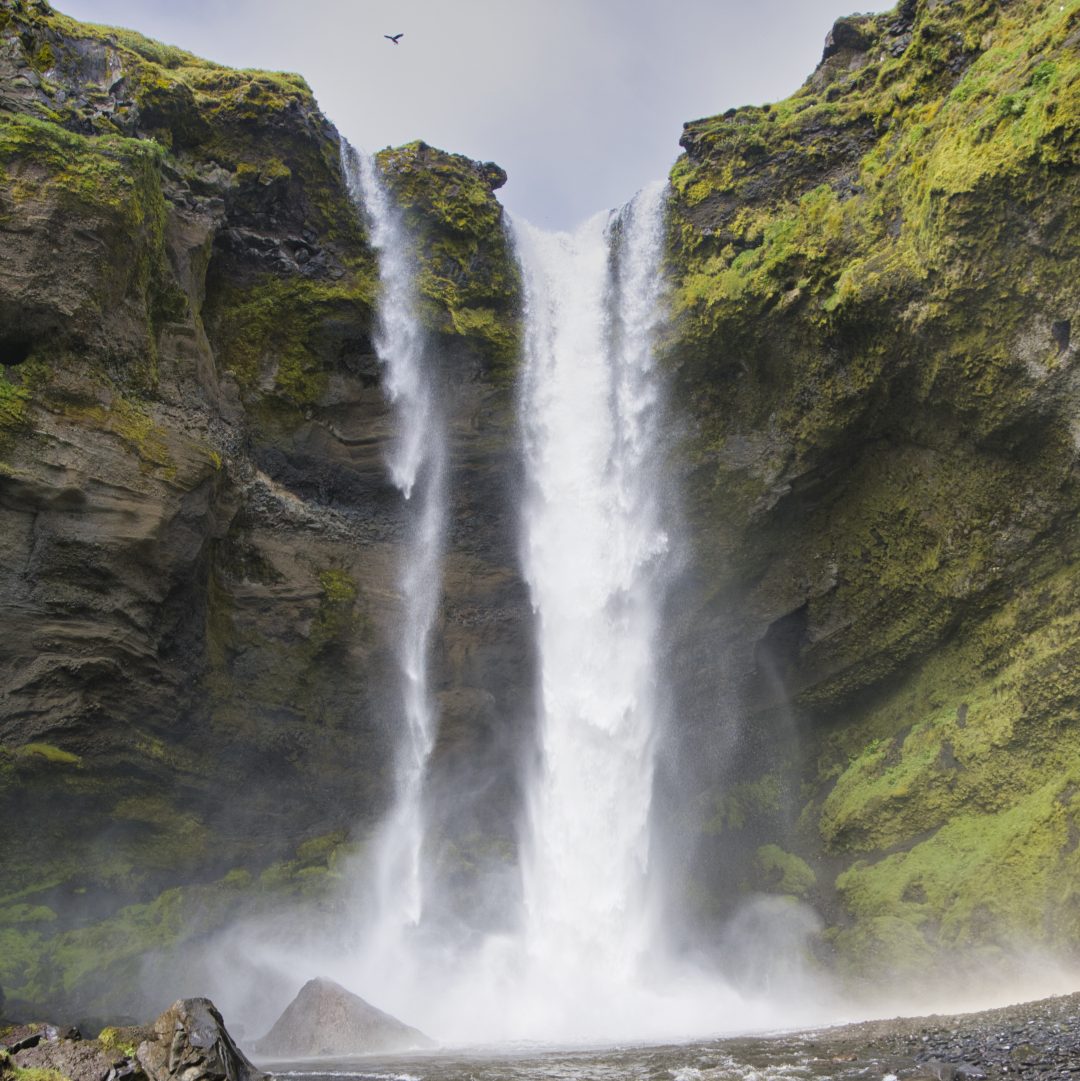
This waterfall is a gentle 1.25-mile hike beginning at Freyacafe that takes you past beautiful blooming lupines, a babbling brook, and seagulls diving rapidly through a canyon. Kvernufoss is super cool because you can walk behind the falls! If you choose to walk behind the falls, you will get wet! Pack the GORE-TEX.
Dyrhólaey

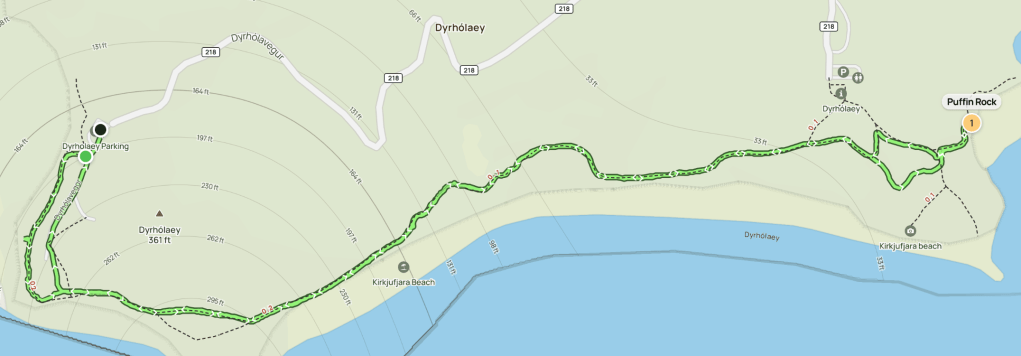
Dyrhólaey is the name given to an area encompassing a lighthouse perched on top of a hill. There are two parking places: one lot uphill and another one downhill. Up the hill provides fantastic views of the surf breaking on the black sand beaches. The area is famous for being the preferred nesting site for migratory puffins during the summer (June – late July).

Sadly, I came a bit early and there were no puffins to be found :(. There is a 2.5-mile loop hike listed on AllTrails that I was following that was fun going downhill and BRUTAL going uphill, thanks to 40+ mph gusts. Bring the shell. The best spot to see puffins, according to a local, is downhill by this rock:
Vikurfjara Black Sand Beach
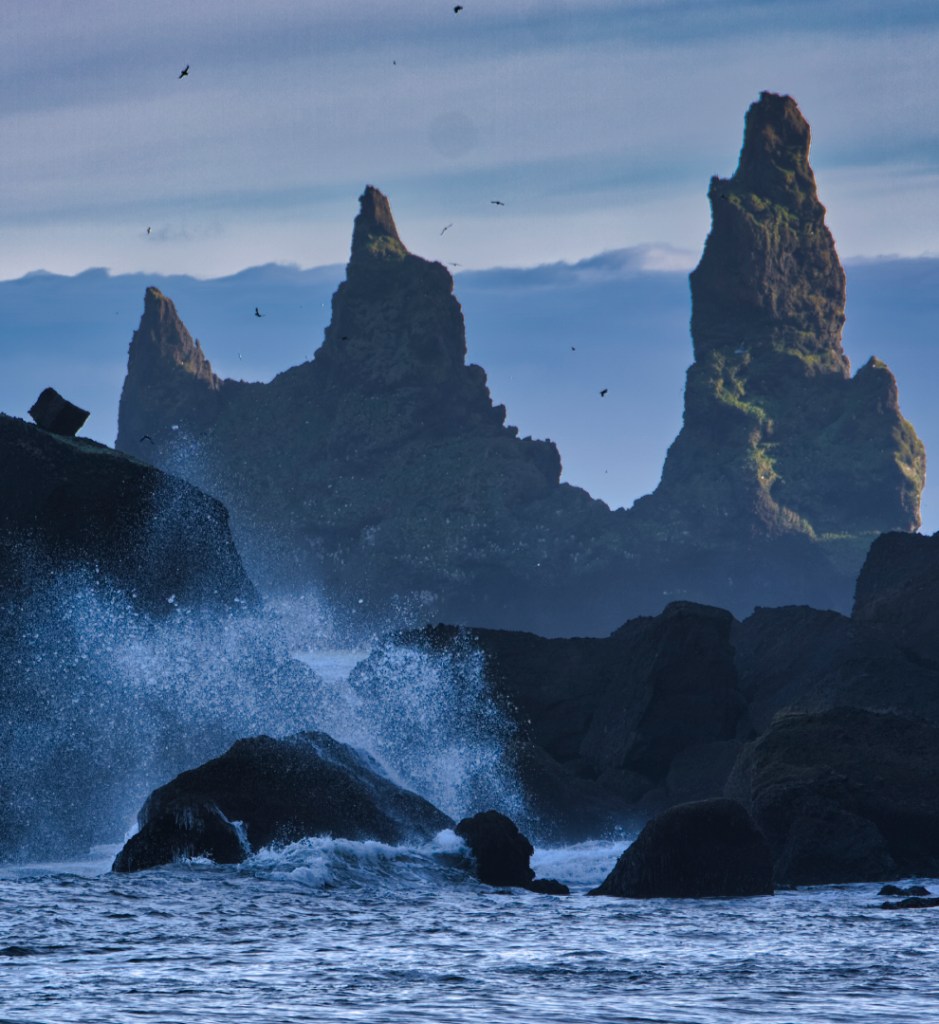
This black sand beach is a short walk behind Smidjan Brugghus and a perfect after-meal stroll. Three distinct rocks, referred to as Reynisdrangar, are located out in the surf. According to Icelandic folklore, two trolls ran out from their cave into the sunlight to try to sink a passing ship. When a troll is struck by sunlight, it is petrified and turns to stone. These rocks are allegedly the petrified trolls.
Reynisfjara Black Sand Beach
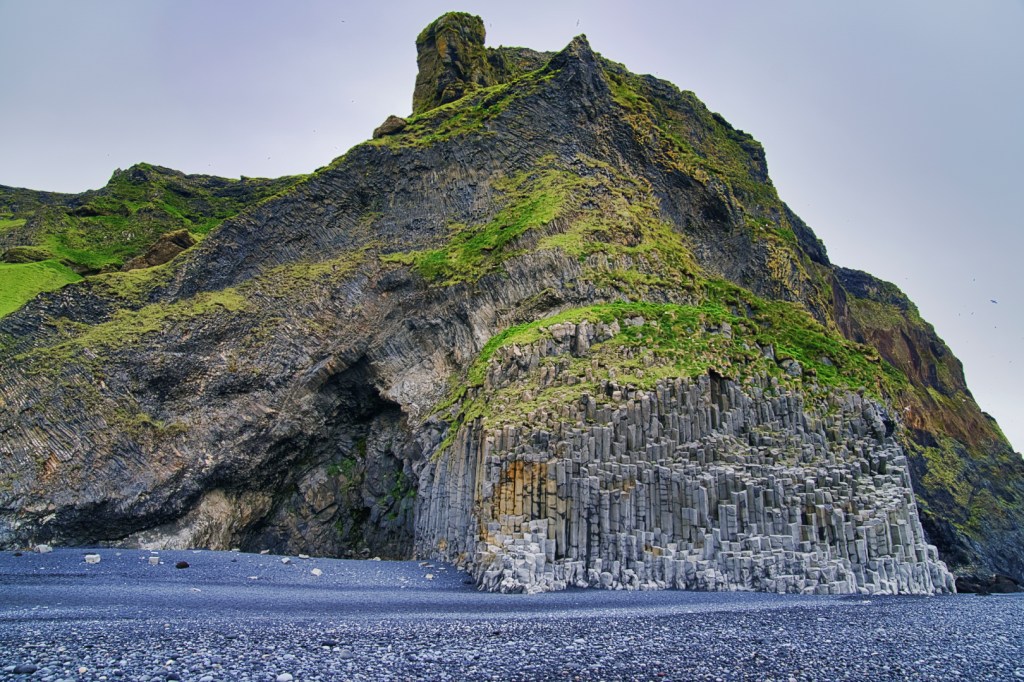
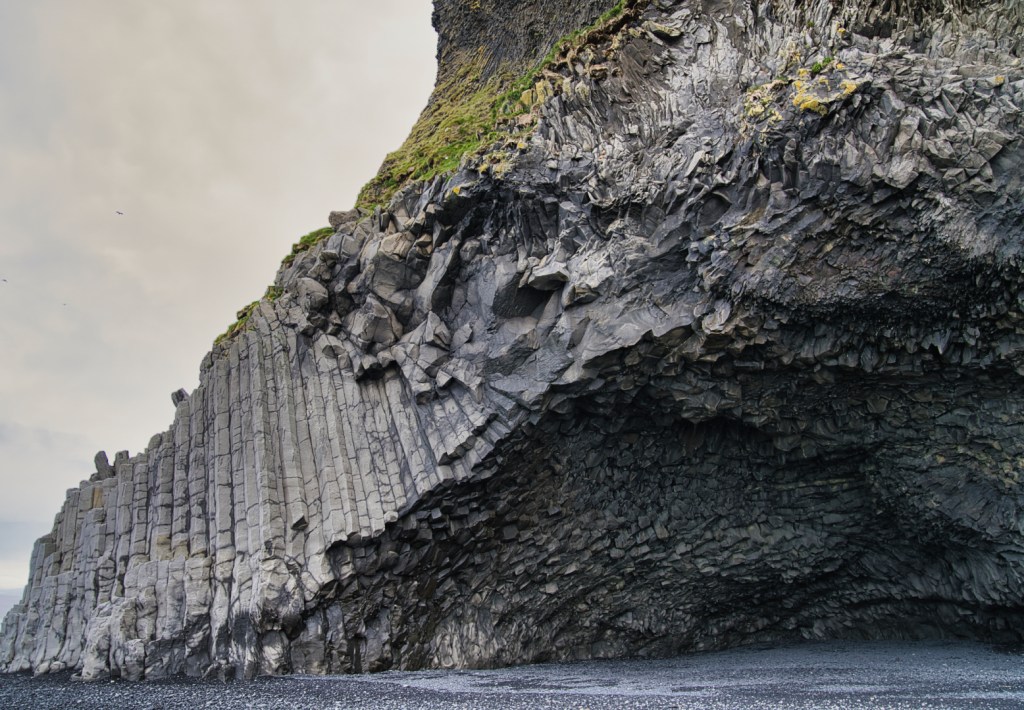
This whole area is gorgeous, but Reynisfjara Black Sand Beach takes the cake as the most beautiful beach in Iceland. There are rolling hills of grass brushing up against the sea cliff wall, and these CRAZY octagonal basalt columns kissing the surf. Scenes from Star Wars: Rogue One were shot here.
Katla Ice Cave
This adventure requires a reservation in advance. I chose the fast-track tour, which lasted roughly 2.5 hours round-trip from the tour meeting place at Black Crust Pizzeria in Vik. My guide, Carlos, was a Portuguese immigrant who came to Iceland to provide a better opportunity for his daughter during the pandemic. Carlos was super knowledgeable about Iceland, and you could tell he genuinely loves the place. He even provided us a link to an Icelandic Spotify playlist he put together!
The approach to the Ice Caves is an adventure in itself. I learned that something like 70% of the land on Iceland is privately owned, including the Mýrdalshreppur Glacier in which the ice caves are located. At one point in time, you could buy glaciers in Iceland! This turned out to be a terrible investment as most of them are now melting, a sad reality I came to appreciate firsthand at Sjonarnipa and Jökulsárlón Glacier Lagoon. In Iceland, you need a permit from the land owner to offer commercial experiences on their property, just like in the US. However, there is a notable exception for glaciers: you can legally walk or bike up to a glacier without needing a permit, or in Carlos’s words, “the glaciers are for everybody.” To drive there requires a permit and a lifted F-350 super van to clear the glacial rivers.

Once we arrived at the base of the glacier, we were required to strap on microspikes because the approach to the glacier involves walking on the glacier itself! This was the first time I ever walked on a glacier, and you have to stomp the spikes into the ice to get them to stick. It’s best to keep your foot in a north-south orientation to maximize traction.
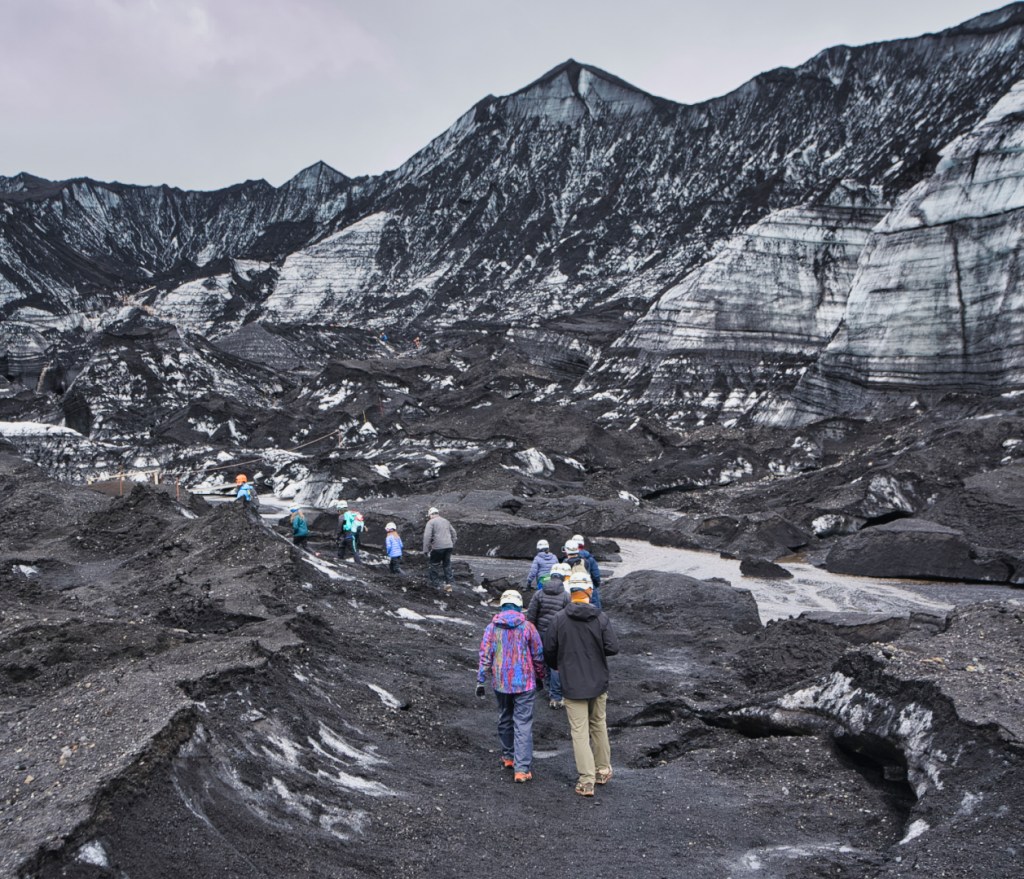
Once we made our way up to the ice caves, we encountered people working on the trail system – chipping, drilling, and driving new posts into the ice. It’s a daily maintenance task that the tour crews rotate personnel on/off because the glacial landscape is constantly evolving as it melts. Caves collapse, and new rivers form every couple of months. Every cave tour is a new experience because the odds of you seeing the same cave twice are slim to none. Carlos mentioned that part of the job involves scouting out new caves, which sounds like a wild way to get a paycheck to me!
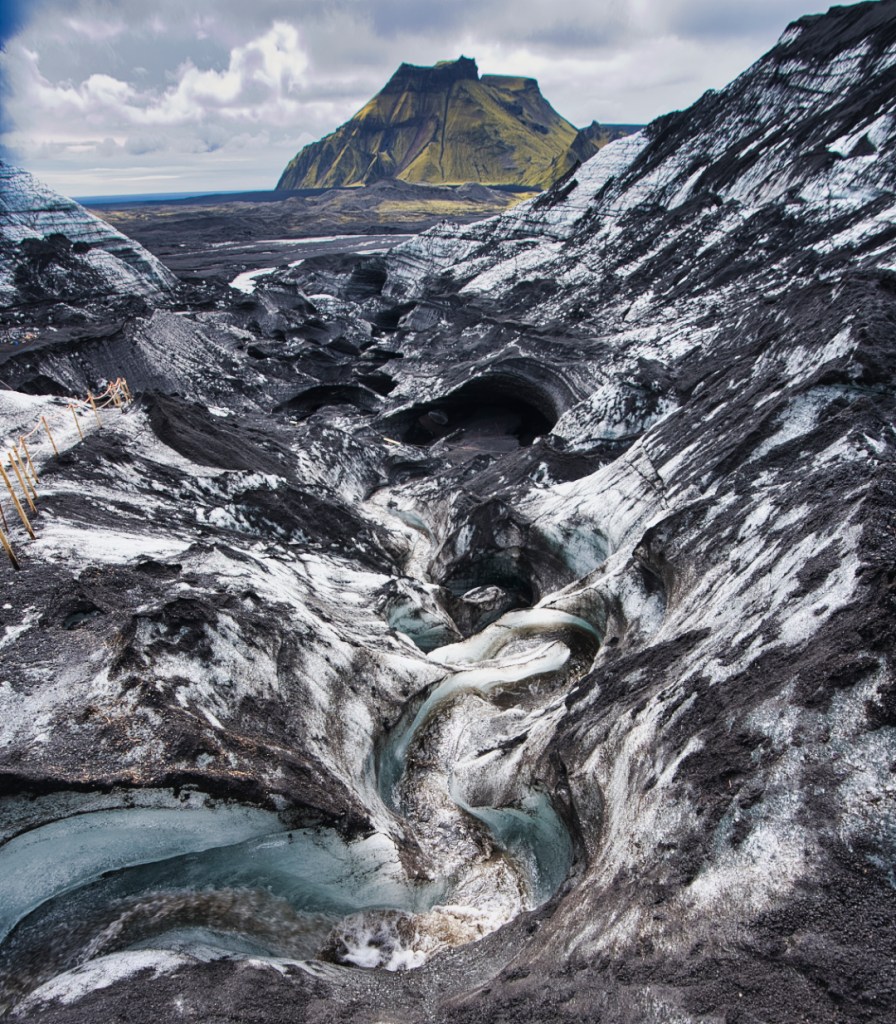
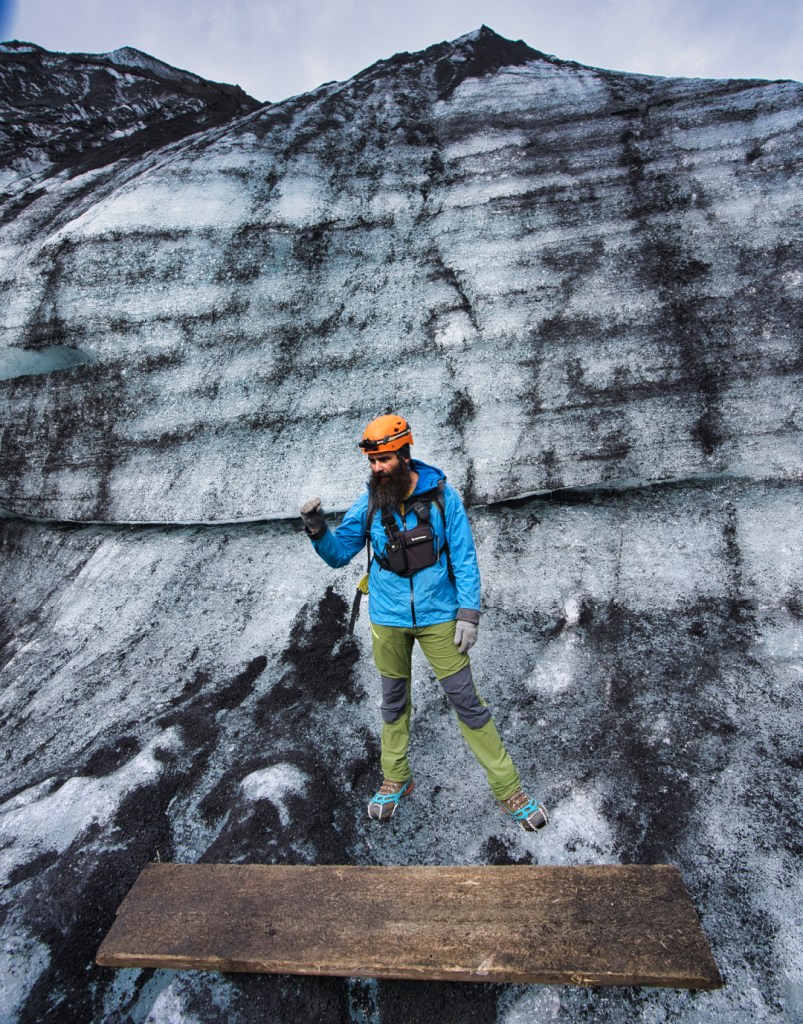
When we finally reached the ice cave, we were all given essentially 5 minutes in the main chamber before it was the group behind us’s turn.

On the way back to the launch spot, Carlos told us the glacier sits on top of an active volcano. The volcano last erupted in 1918 and is overdue for an eruption! When a volcano erupts underneath a glacier, it is called a subglacial eruption. Lava is only part of the problem; the real issue is in the resultant flood that gets triggered! It was trippy walking around the town of Vik because signs indicate that one must head to the church, as it is the high ground in town and the only place the townfolk will have a chance of survival.

What’s even trippier is that the ground we drove on to get to the caves did not exist when the Vikings originally came to Iceland in roughly 1000 AD. Initially, it was the ocean. Over the years, the cycle of volcanic eruptions spews ash, which forms new sediment that eventually turns into new land. Over 10,000+ years, Iceland’s land mass will actually increase! If you see black rock with no moss growing, it was most likely in the floodplain area during the last subglacial eruption.
Carlos then shared how the volcano got the name “Katla”. According to Icelandic folklore, Katla was a witch who lived near the volcano and possessed a pair of Nábrók or human-skin pants that made the wearer run like lightning and never get tired. According to folklore, the human subjects must voluntarily gift their skin for the pants to obtain magical qualities. One day, a local teenager sought work and a place to spend the night. He came upon Katla’s hut and inquired about working for her for the day. Katla agreed, telling the boy to herd her sheep while she went out to run an errand. When Katla returned, the boy had herded the sheep, but Katla noticed he was not tired. She ran to the chest where the skin pants were stored and saw that the lock had been broken. Furious with the boy, Katla murdered him. Reeling at the horror of the crime she had just committed, Katla ran up to the top of the volcano and jumped into the bowl wearing the pants. According to Icelandic folklore, Katla’s suicide triggered the 1918 eruption and gave the volcano its name.
I won’t forget that story anytime soon!
Gígjagjá
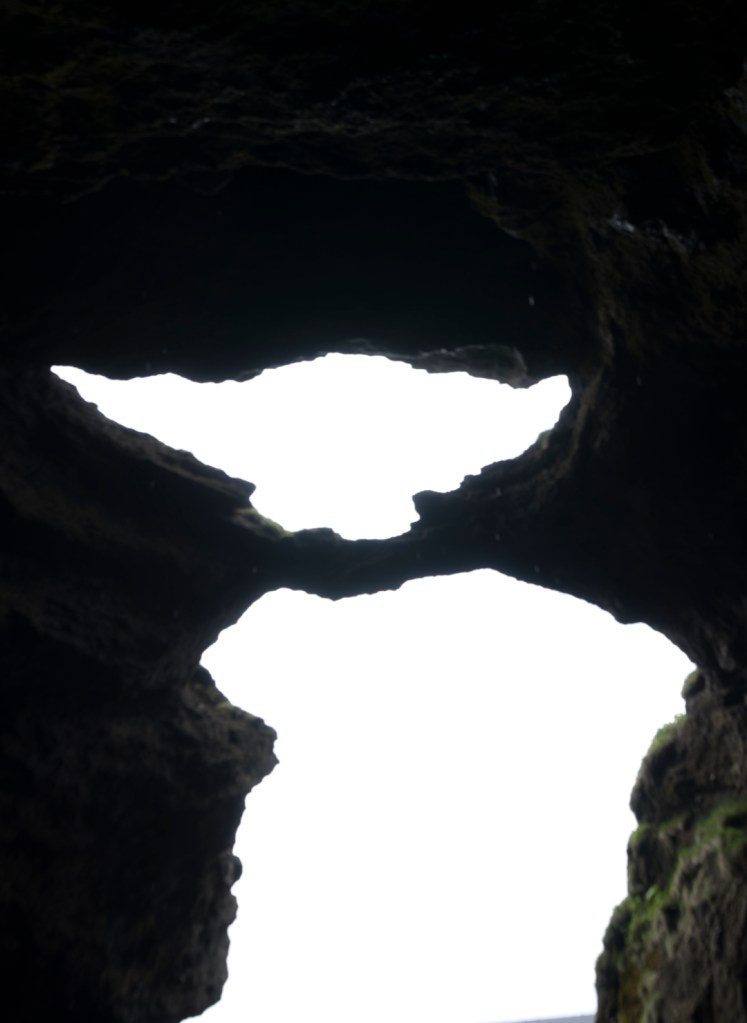
Iceland is a special place for Star Wars fans. This cave has a carved-out section that resembles the character Yoda. Exploring the cave makes a good 20-minute pit stop off the Ring Road, but the cave and Yoda silhouette are all there is to see.
Fjaðrárgljúfur

This is a 2 million-year-old river canyon carved out by the Fjadhra River. Justin Bieber shot part of a music video here, and there were swarms of people. There were people flying drones into the canyon who probably got some sick shots (I hate the buzzing sound). It’s roughly 1.67 miles round-trip from the bottom of the canyon up to the top. The ascent is kind of brutal. When I went, the river was flowing too dangerously to go down into the canyon, but allegedly, you can do that too.
Stjórnarfoss

This roadside waterfall is the perfect stop on the way out from Vik towards Sjonarnipa and the eastern coast of Iceland.
Sjonarnipa – Svartifoss, Magnúsarfoss, Hundafoss via Austurbrekkur

This nearly 5-mile loop (AllTrails) was the best hike I did all trip, even with the sad emotions that surfaced at the trail’s end. The hike begins in the parking lot where you’ll find camper vans and tents set up before it makes its way up a steep incline to Hundafoss and Magnúsarfoss waterfalls. You cross a wooden bridge and continue deeper into the national park before running into the stunning Svartifoss waterfall set against black basalt columns. After a few pictures, continue further up the hill overlooking the vast lava fields and glacial rivers that flow out to the ocean before reaching an overlook of Skaftafellsjokull glacier.
An infographic at the top of the hike details the sad tale of how Skaftafellsjökull glacier has been rapidly receding over the last 50 years. Scientists take repeated photos of glacier growth/decay from the same spot over the years to measure glacier growth/decay. The theory goes that the glacier’s reach will grow in colder years, while in warmer years the glacier will recede. The recession of the glacier over the last 30 years is something so monumental you have to see it in person to truly wrap your head around it:

In 1996, only 30 years ago at the time of writing, the glacier extended to where the brown glacial lagoon begins. This phenomenon is not just isolated to Skaftafellsjökull glacier, but is currently happening to all Icelandic glaciers. Humans’ carbon footprint is the major contributing factor; if we don’t slow down consumption, our grandchildren will most likely miss out on the experience of walking on a glacier :(. All this water ends up in the ocean; if sea levels rise even an inch or two, New York City will be underwater.
Vestrahorn
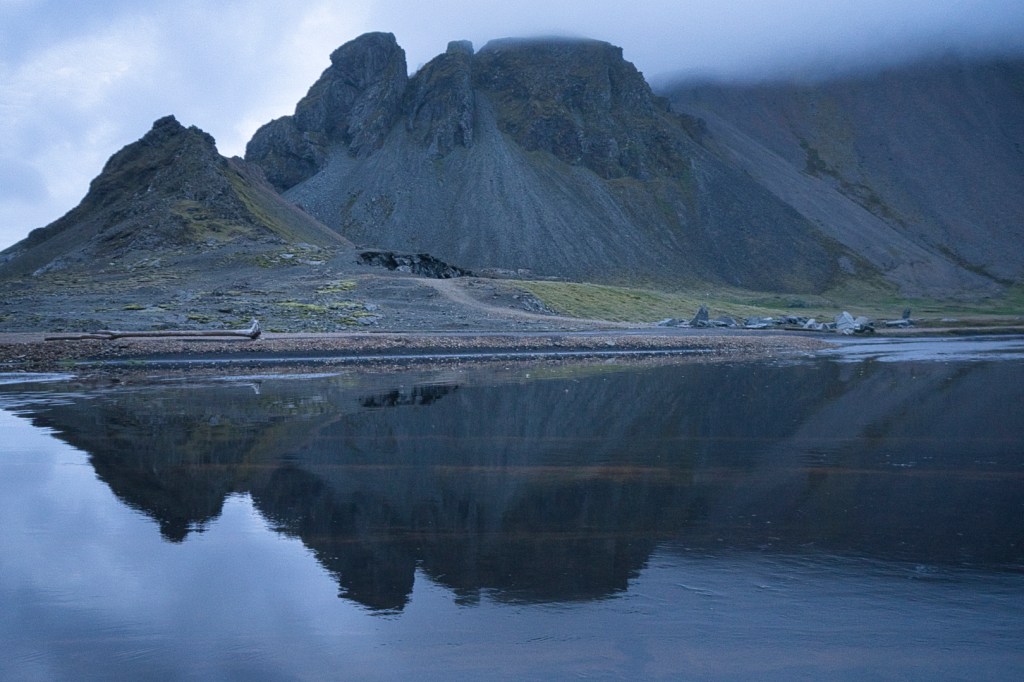
Vestrahorn salt flats are a photographer’s dream. They are wayyy out on the eastern coast of Iceland, about seven hours east of Reykjavik. The flats include an inch of omnipresent water, creating a perfect mirrored reflection of Vestrahorn mountain and anything standing there. I regrettably came during a very overcast blue hour around 2300, when nighttime twilight had set in. I want to return and spend hours here on a clear day.
Diamond Beach
A beach with icebergs washed ashore. I didn’t spend much time here because I was running late for my kayaking reservation.
Kayaking in Jökulsárlón Glacier Lagoon
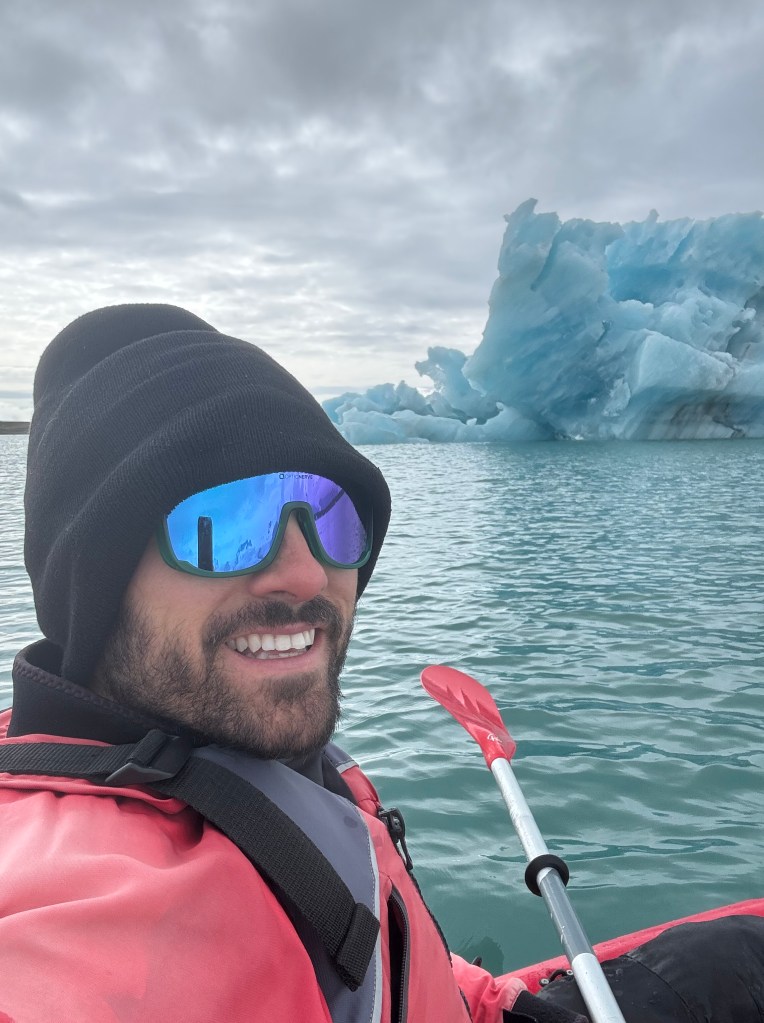
Kayaking in a 900-foot deep lagoon next to icebergs like the one that sank the Titanic? Wicked cool. It changes your perspective when you get close to the icebergs and see how massive they are. Our guide informed us of the rule of thumb: stay at least three times the height of the iceberg away from them when you are in the water. The lagoon shares a waterway with the ocean, and we saw some playful seals swimming beside us on their hunt for fish!
Glacier Walk on Svínafellsjökull
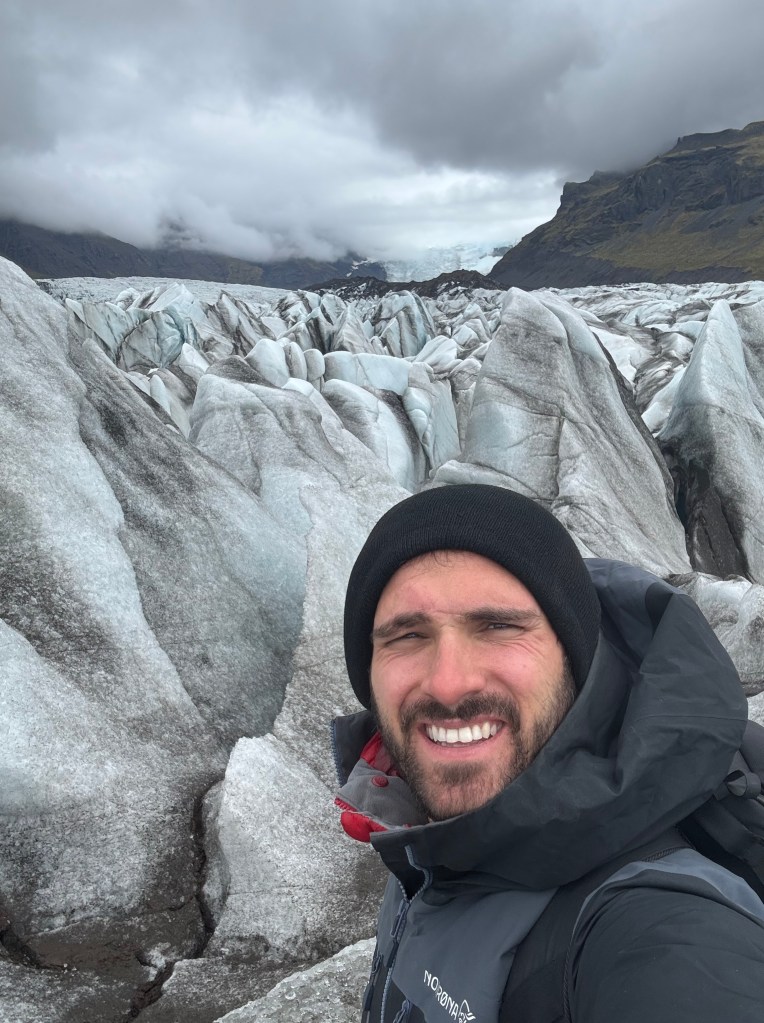
This was the highlight of my self-guided experiences—walking on the largest glacier in Europe. I’m so happy I packed my microspikes! The Ice Cave tour was cool, but I wanted to experience the “real deal” of walking on a glacier without man-made paths. It’s sketchy—super sketchy. You can see the ice melting and hear it cracking in places around you as you trek through the alien landscape. I even found a baby ice cave that I poked my head into.
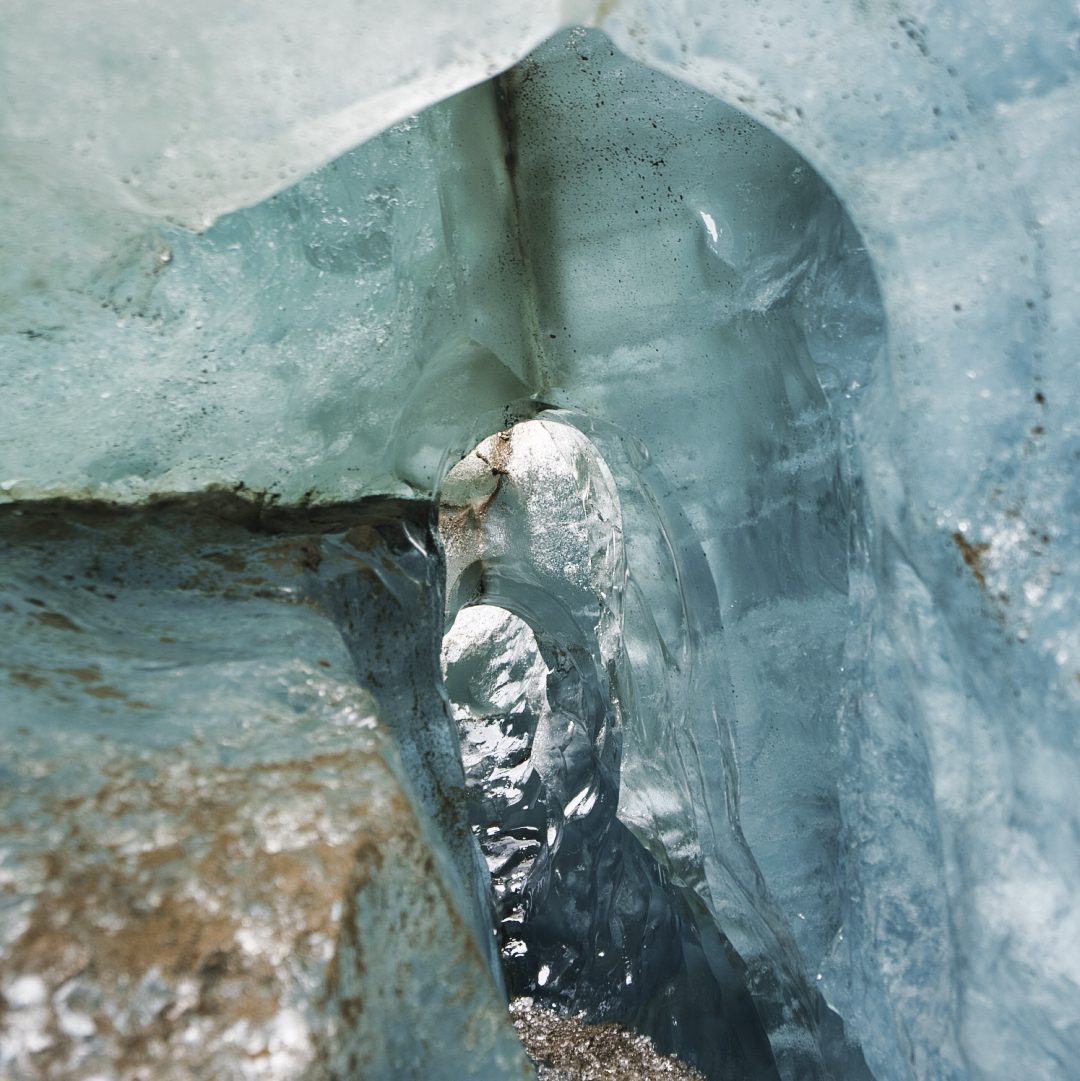
It just feels like a place man is not supposed to venture.
Seljalandsfoss
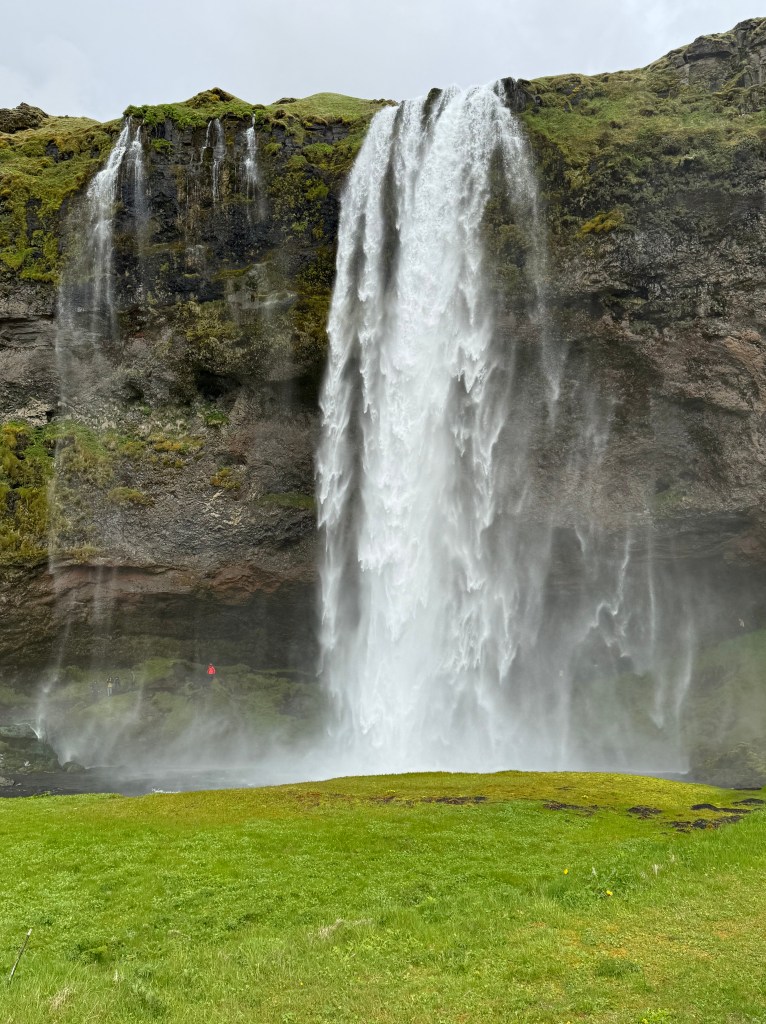
Another waterfall you can walk behind. This one is SWARMING with people and was probably the busiest area I visited the whole trip. When I decided to go behind the waterfall, I was super grateful for the full-body GORE-TEX setup and backpack rain cover.
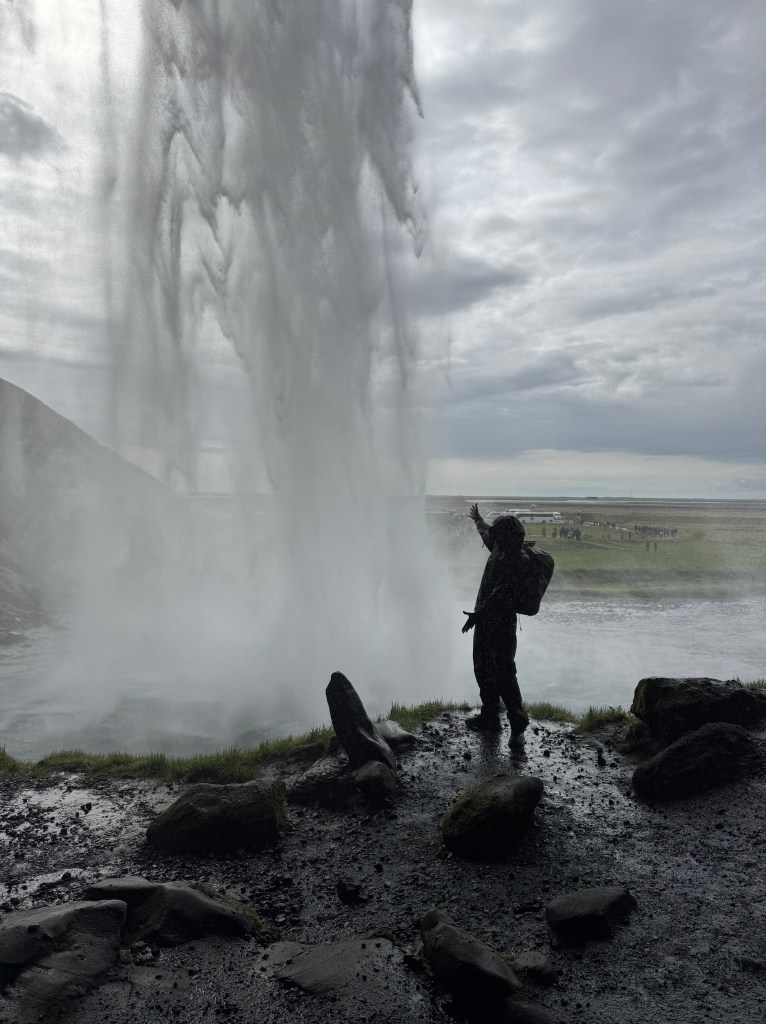
It’s mad entertaining watching people before and after they go behind the waterfall. Something about watching another human get absolutely dumped on with water is guaranteed to make you smile! After you see this, walk the 0.5 mile over to Gljúfrabúi.
Gljúfrabúi

This was my last hike in Iceland, and I was positively sick of the crowds by this point. The waterfall itself is a (not-so) hidden gem tucked away in a canyon that you have to walk through to see. Initially, I was going to pull my camera out to try to take a picture, but there were so many people in the canyon and I was getting blasted by mist, so all I could muster was the selfie before hightailing it out of there to drive to Sky Lagoon for one final soak.
Places to Eat & Drink
Sandholt
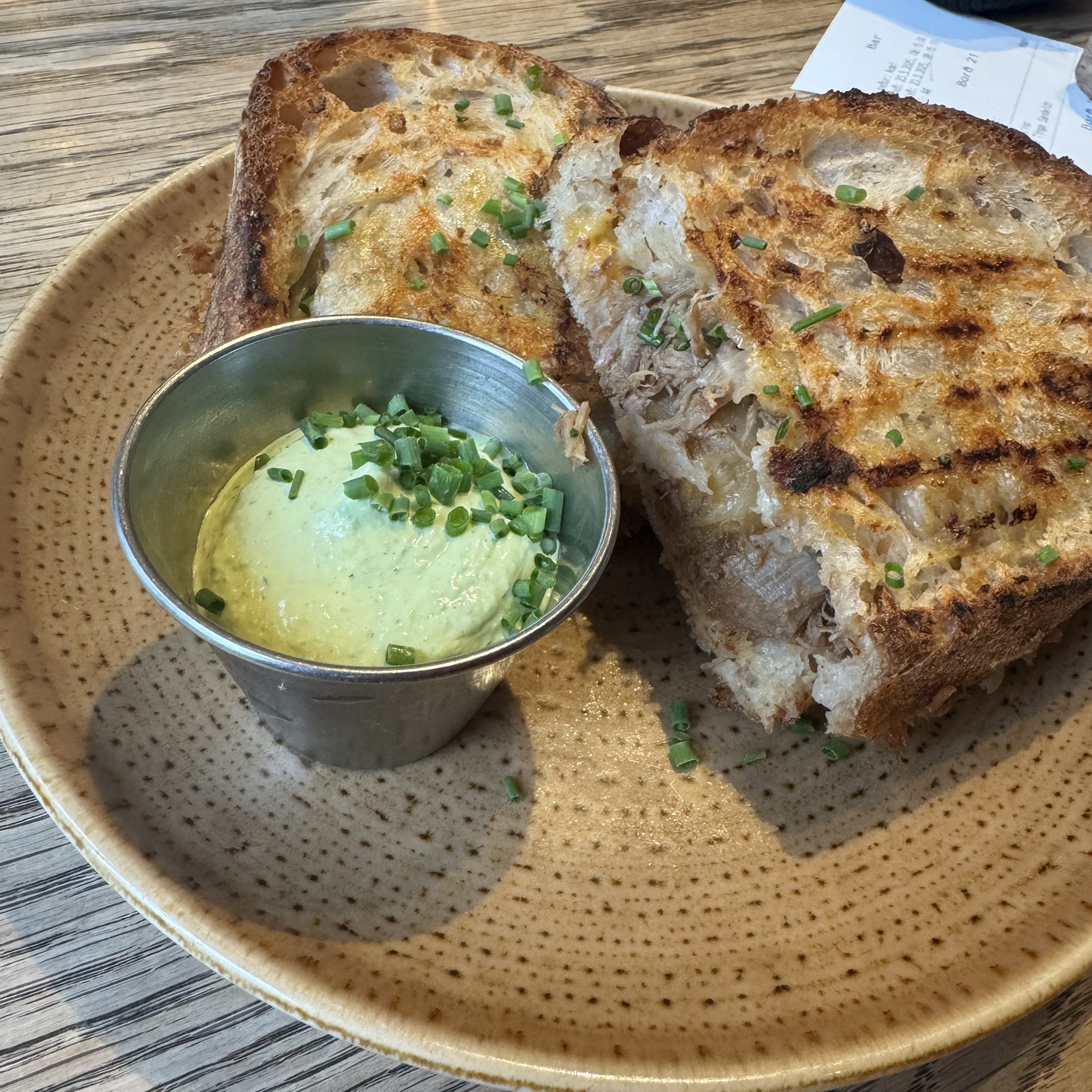
One of the oldest family-run bakeries in Reykjavik, this place is fuego for breakfast. I was super hungry when I got off the plane and went with the Lamb Tinga Sandwich and a latte. Get a lox and egg salad sandwich (it sounds weird, but trust me) for lunch while you’re out adventuring.
Freyacafe
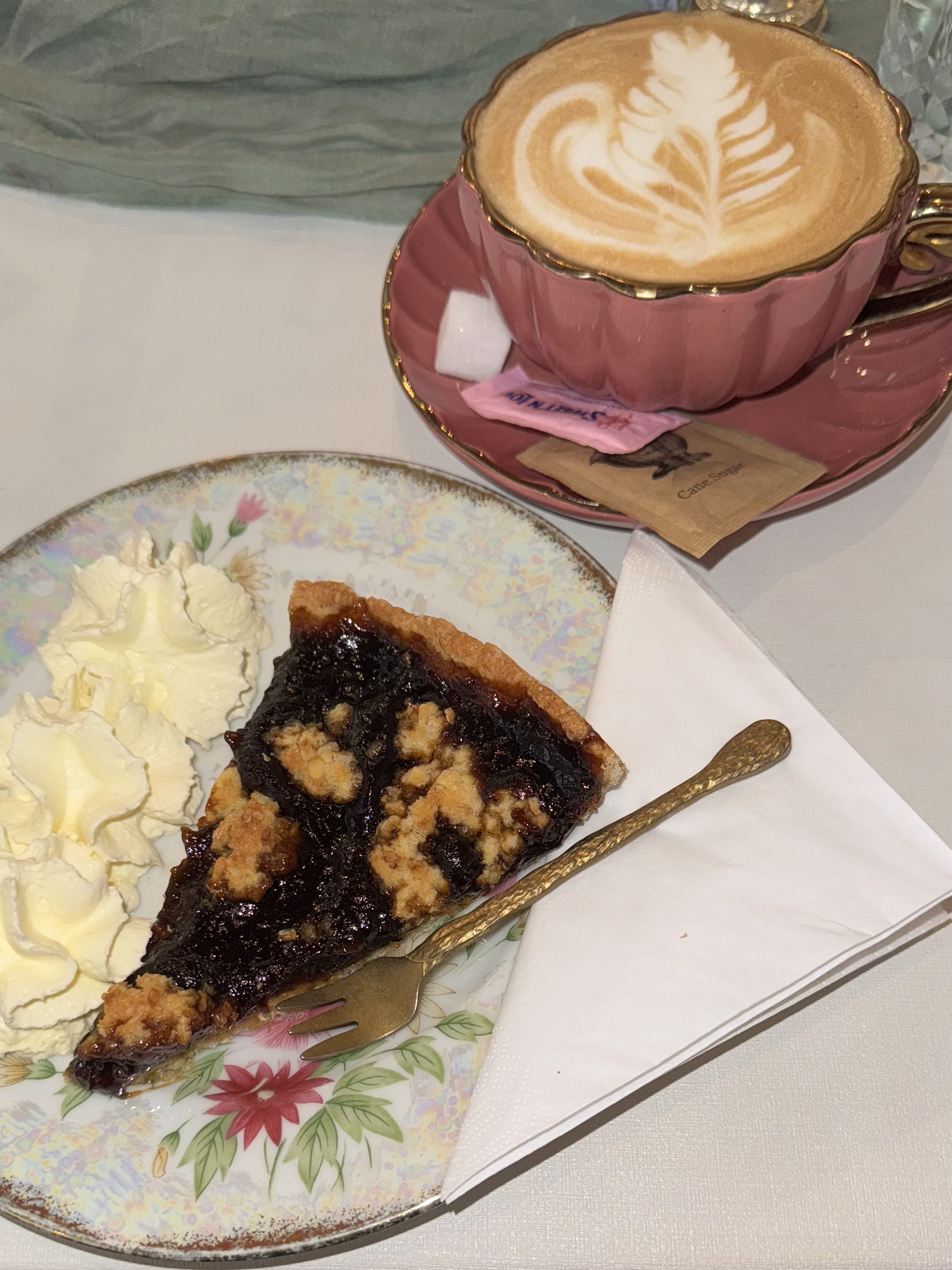
This lovely cafe outside of Skógafoss is the location of the best slice of “blissful marriage” pie I had in the whole country. “Blissful marriage” pie is a traditional Icelandic rhubarb pie on an oat crust. Get it with cream and a latte.
Smiðjan Brugghús
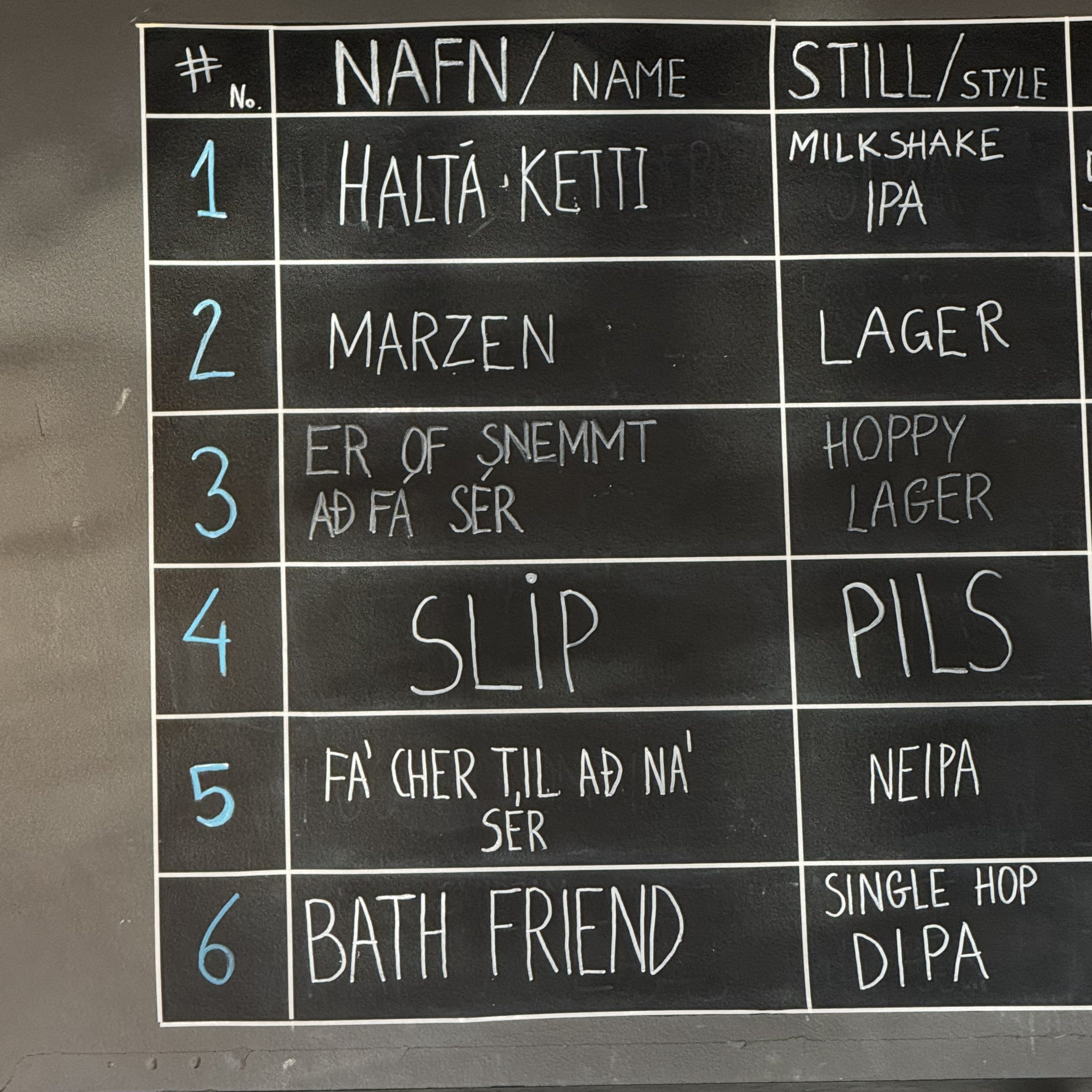
This gastropub makes a fire burger and brews a dank lager. They offer tours too if you’re interested in seeing how things are brewed.
The Soup Company

A soup kitchen that offers a local taste of Iceland. Lava soup (middle) and the lamb soup (left) were delicious. Get a black bread bowl if you’re super hungry.
Black Crust Pizzeria
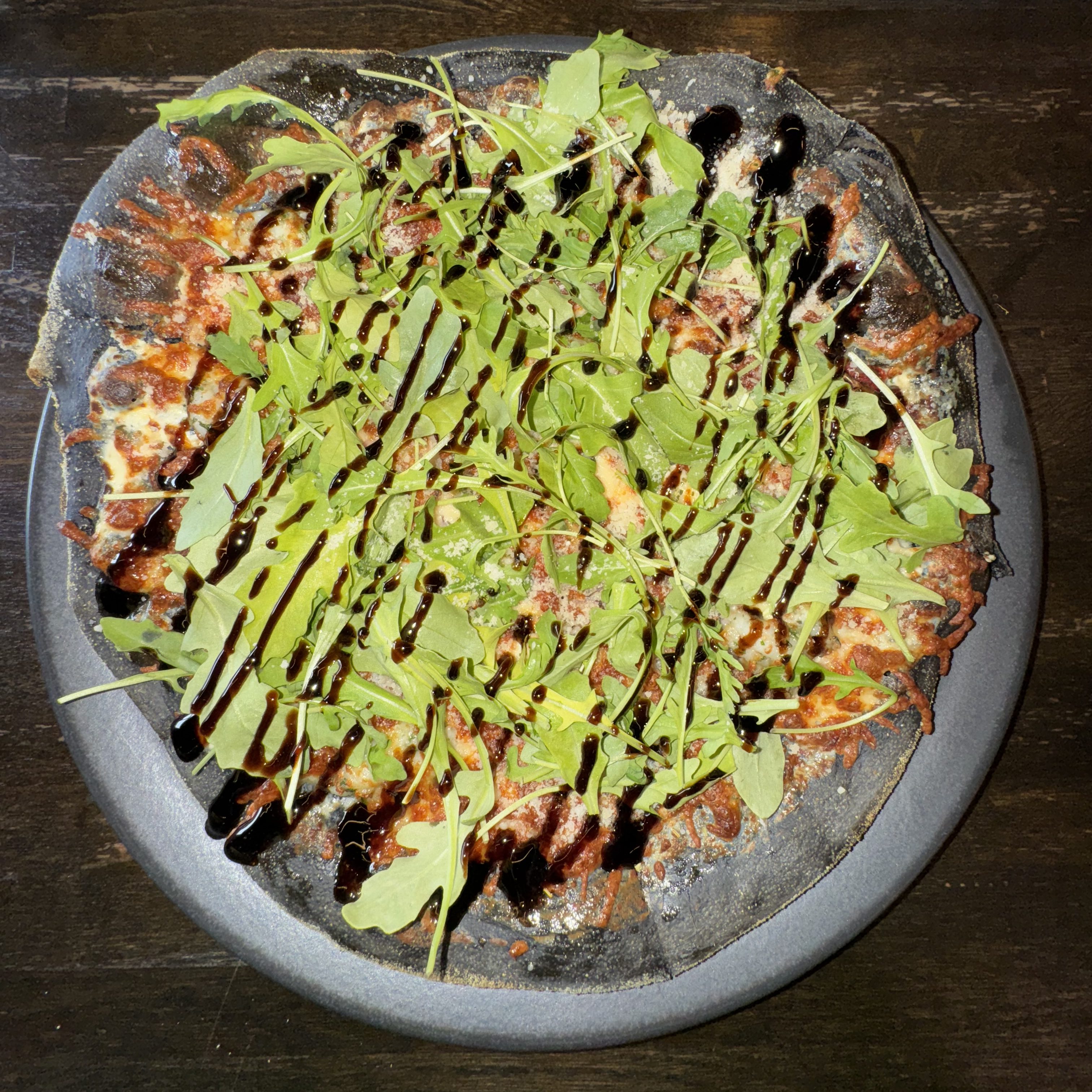
Best pizza in Iceland. They offer pizza with a black crust and exotic toppings along with more traditional pies. I got the #1, which includes
- Langoustine (Norwegian lobster)
- Truffle infused cream cheese
- Red onion
- Arugula
- Rosemary
- Chili
- Balsamic glaze
- Parmesan
With a box of local Artic Macaroons for something sweet. It’s pricey – the one pizza and a box of macaroons was nearly $60.
Krónan
Icelandic grocery store. Fuel up on snacks for the long hours in the car. My favorites were the premade lox and egg salad sandwiches and the squeeze tubes of Skyr yogurt. I must have gone through three to four tubes of that yogurt during my journey.
Cafe Vatnajökull
A great place to stop and get a cappuccino to break up the long drive from Reykjavik out to the Southern Coast. They have a ton of local art on display.
Skool Beans
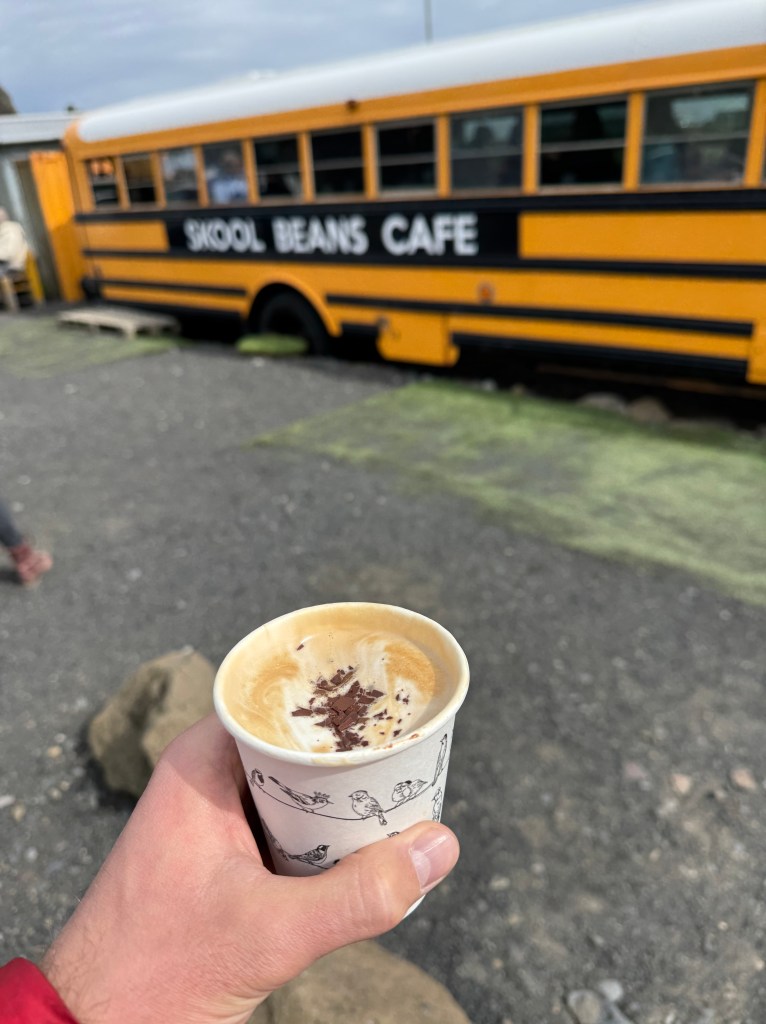
This place is wicked freaking cool. The owners turned a school bus into a coffee shop, complete with cat mascot Jeff, who may or may not be around when you go for coffee. The coffee beans are super high quality, and their hot chocolate menu is extensive. I’m mad I only stopped here once!
Crepes.is
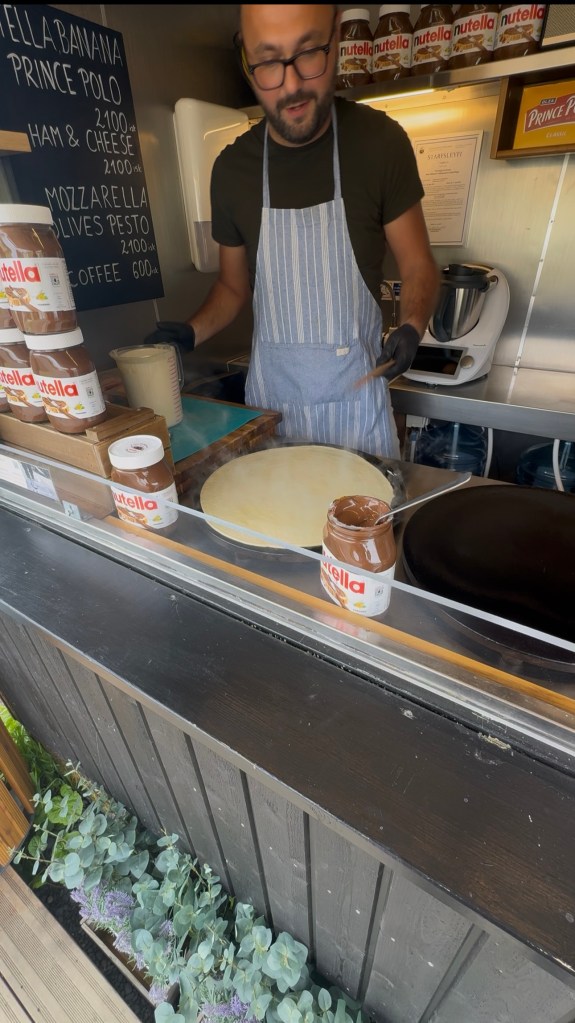
This little food stand outside of Vik serves delicious crepes during the summertime. The owner is super friendly and will gladly chat about things to do in Vik and the surrounding areas. I was feeling savory, so I got the ham and cheese. Next time, I’m going sweet and getting the Nutella, banana, and Prince Polo (Icelandic version of Kit-Kat).
Places to Unwind
Sky Lagoon
This place took the cold plunge/sauna experience I know and love and took it to a whole ‘nother super saiyan level. I saw the advertisement for this joint on the plane ride over from Denver and knew I had to check it out.
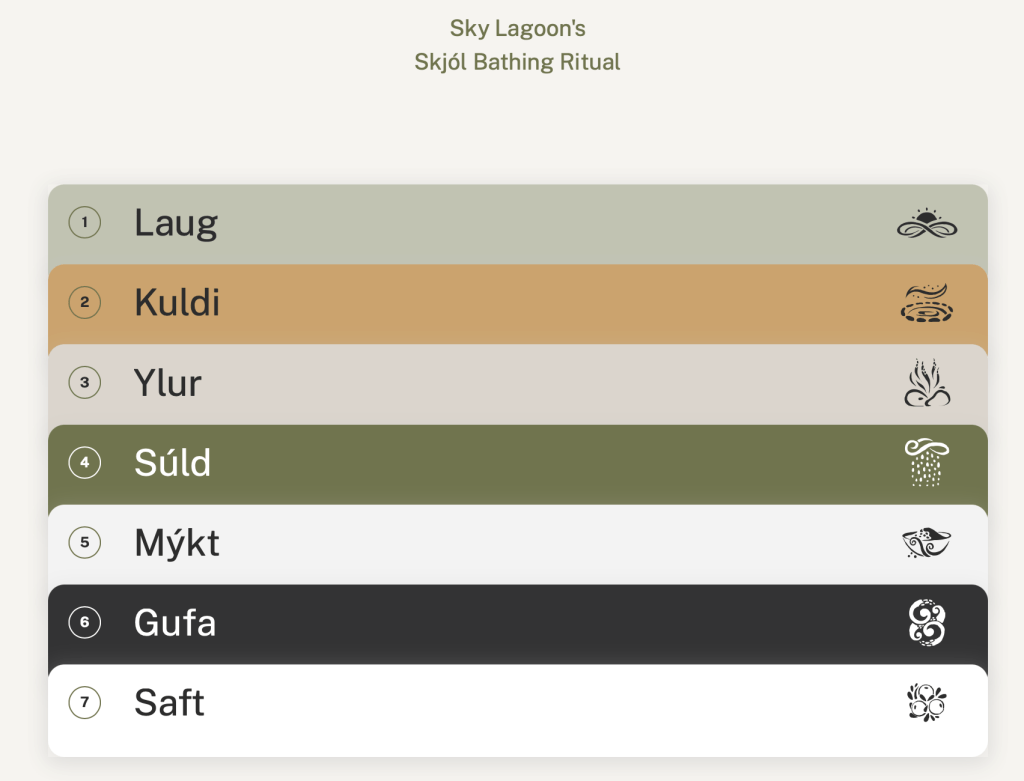
Sky Lagoon lived up to the hype – everything about this place is thought through and hyper-optimized for user experience. You walk in, and they give you a silver / black wristband. The silver one is used to lock/unlock your locker, and you can link a credit card to it to buy drinks. The black wristband gets you access to the flagship Skjol ritual. The locker room is sleek and Scandinavian in nature. After changing into your bathing suit, you turn the corners, and there are showers with a waist-high door for privacy. Very, very, very important – you MUST shower naked before getting in the hot springs in Iceland. The natives take this very seriously as it washes the oils off your body before we all sit in the same pool of water together.
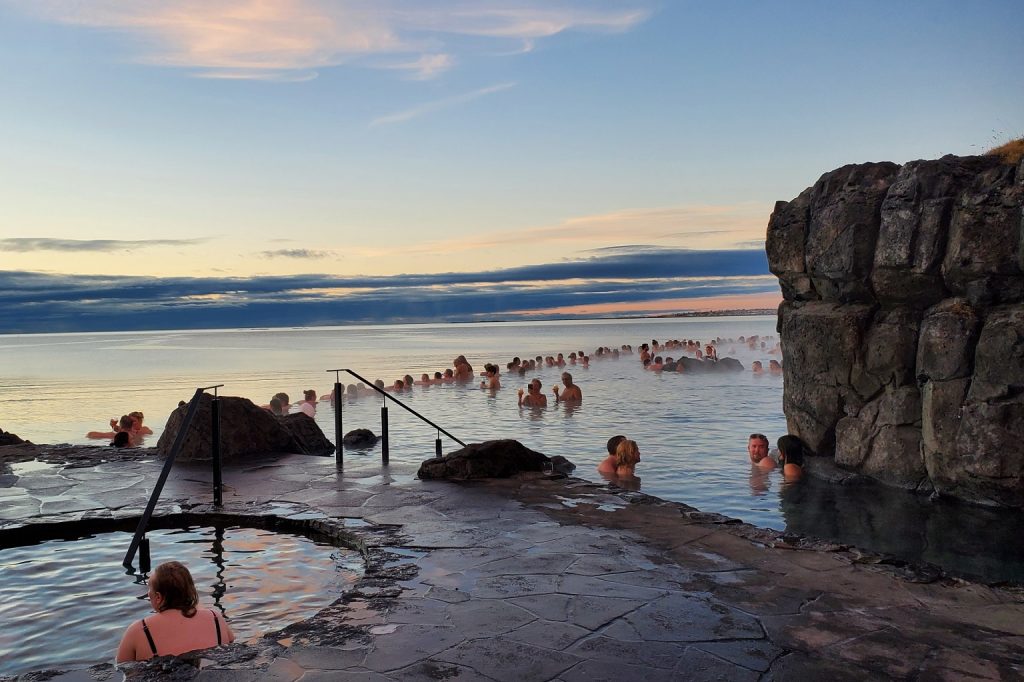
After you’ve changed and showered off, a staircase leads you into Laug, the oceanfront geothermal hot springs. The designers of this place were geniuses, and they made a stone canyon that led from the locker rooms to an infinity hot spring pool overlooking the ocean. There’s a bar where you can buy drinks with your wristband, and waterfalls where fresh geothermal water feeds the pool.
It’s awesome to sit in the 102-degree heated pool with your arms on the balcony overlooking the ocean, taking in the breeze. Once you’ve thoroughly soaked, it’s time to get in the Kuldi (cold plunge), a tiny hot tub-style pool adjacent to the Laug.
The plunge had to be high 30s, low 40s, which is great for those 2-3 minute soaks. After Kuldi, it’s time to enter this door where the rest of the Skjol ritual occurs. First up in the Skjol ritual is Ylur, or the sauna. They divide the sauna into a device and a device-free room; both rooms have clear glass panes facing the ocean. The sauna was fantastically designed with three rows of bench seating arranged in an amphitheater shape that probably seats 50 people at a time. Occasionally, an automated spritz of water would blast the hot stones, increasing the humidity and intensity of the sauna. I sat here for 35 minutes before moving on to the next stage of the ritual – Suld. Once you leave the sauna, you are ushered into an open-ceiling room where a cold mist rains down on you. The contrast from hot sauna to cold mist is divine! After being misted, you enter a large open room with cascading waterfall sinks, engaging in Mykt or applying a salt scrub to your whole body (minus the face). The salt scrub is meant to open your pores before Gufa (the steam room). Your skin is left soft and hydrated after standing/ sitting in the steam room. A shower removes any residual salt before the final Saft step or shot of native crowberry juice. The elixir is delicious! After the ritual, you can return to the Laug and still have access to the pool and the cold plunge. I lingered for 10 more minutes doing one last plunge before heading back to the locker room to shower and change.
This place was the perfect way to end my journey!
Places I’m Going Next Time
Laugavegur & Fimmvorouhals Trails
The granddaddy of all Icelandic backpacking trips (AllTrails). This 50-mile trek will likely span a week and takes you through all the alien landscapes Iceland offers. Starting at Skógafoss and ending at the hot springs near Landmannalaugar, you will pass by waterfalls and geysers and through glacial rivers, lava fields, and mountain passes. Truly a world-class bucket list backpacking experience!
Reykjadalur Hot Spring Thermal River
Iceland has many geothermal areas outside the touristy lagoons. One instance that stood out to me was the Reykjadalur Hot Spring Thermal River hike (AllTrails). This three-hour hike is only a 45-minute drive from Reykjavik, too, so it’s totally approachable on a stopover trip. There’s something that sounds so magical about walking along a Hot Spring Thermal River, occasionally stopping to take a dip! It’s free year-round as well.
Blue Lagoon

The other touristy lagoon is one of National Geographic’s 25 Wonders of the World. This place doesn’t look real (it’s technically man-made, and its creation was an accident): the bright blue waters are due to the water’s composition. The Blue Lagoon’s geothermal seawater is 70% ocean water and 30% freshwater, enriched with silica, algae, and minerals. Allegedly, soaking in the waters is really good for your skin!
Ice Climbing
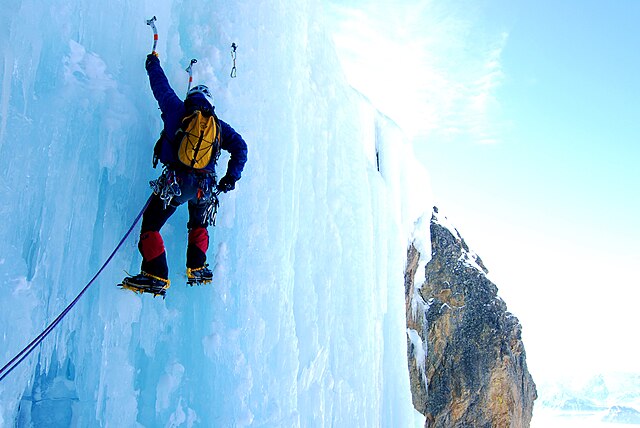
I’ve always been curious about taking my mountaineering skills to the next level. I’ve done spikes, crampons, and walks on glaciers – Ice Climbing feels like the next graduate course. This 1000% is something I want to try with a guide in a place like Iceland. Plus I’ve already got the jacket for it.
Itinerary
Here’s the link to my Wanderlog detailing the itinerary for four days and three nights. Big shout out to Dylan Giblin (IG: @dyllygphotography) for connecting me with Kyana Sue Powers (IG: @kyanasue), who put together the Travel Guide, which this itinerary was strongly influenced by.
 Travel, Nature, Growth
Leave a comment