
I was born and raised in Tucson, AZ and outside of weekend trips to Safford Peak and a few field trips to the Sonoran Desert Museum, it took me 25 years to really get out and explore Saguaro National Park.
Saguaro National Park is divided into two districts, equally worth seeing: Tucson Mountain District (TMD) on the west side and Rincon Mountain District (RMD) on the east side. These two districts are very different with the TMD accentuating the flora and fauna found in the Sonoran Desert, while the RMD accentuates the Sky Island transition between two very different mountainous regions: the subtropical Sierra Madre of Mexico and the temperate Rocky Mountains of the United States.
Tucson District
Wasson Peak
The tallest mountain in the Tucson Mountain Range, Wasson Peak is a beast of a hike that gains 2000 elevation over nine miles and rewards with awesome panoramic views of Tucson to the east, Marana to the north, Picture Rocks, and Kitt Peak off in the distance to the west. I’ve done this one twice, one time midday starting from the Sweetwater trailhead and once to watch the sunset starting from King’s Canyon. Both times I went were during Autumn after I knew the rattlesnakes were in for the season.
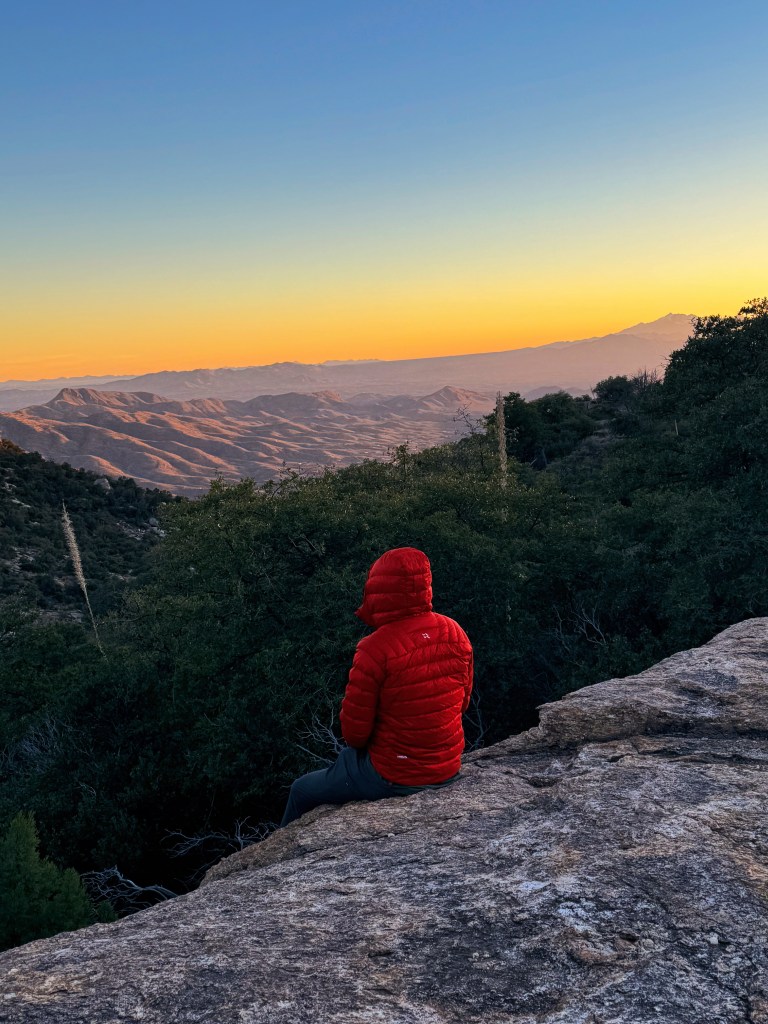
The trail from Sweetwater is grueling as you walk through the desert in the beginning. King’s Canyon is a little more interesting because you’re in a wash surrounded by gigantic saguaros. Either trail ascends a set of steep switchbacks at the end of the hike to go up the peak. I highly recommend this area to watch the sunset – the higher vantage point allows for better visibility. When I went there for a sunset, there was a herd of mule deer grazing in the golden hour. Giant saguaro silhouettes make the best portrait subjects for sunset and moon rise pictures!


If you go for sunset, bring a headlight, I really like the Black Diamond Spot 400-R ((I earn a commission if you click this link and make a purchase at no additional cost to you) with the red light, strobe, spotlight, and ambient options. Pack a good down jacket too, the stargazing out here is awesome! Having the ambient red light headlamp still allows you to stargaze and slowly descend the mountain. It can take up to 20 minutes for your eyes to completely adjust to the darkness after eliminating exposure to white light. I would not be caught here after dark in the summertime – you’re bound to encounter rattlesnakes.
Sonoran Desert Musuem
While not technically apart of the National Park Service, this one is a must see for anyone visiting the Tucson Mountain District interested in the wildlife and plants native to the area. At time of writing it is $29.95 for an adult and $19.95 for a youth ticket, latest fees and tickets may be found on the website. My favorite animals to see at the Desert Museum include the elusive Mountain Lion, adorable Prairie Dogs and Otters, Bighorn Sheep, different types of lizards and snakes (behind glass!), Mexican Gray Wolves, and stinky Javelina.
Petroglyphs at King’s Canyon
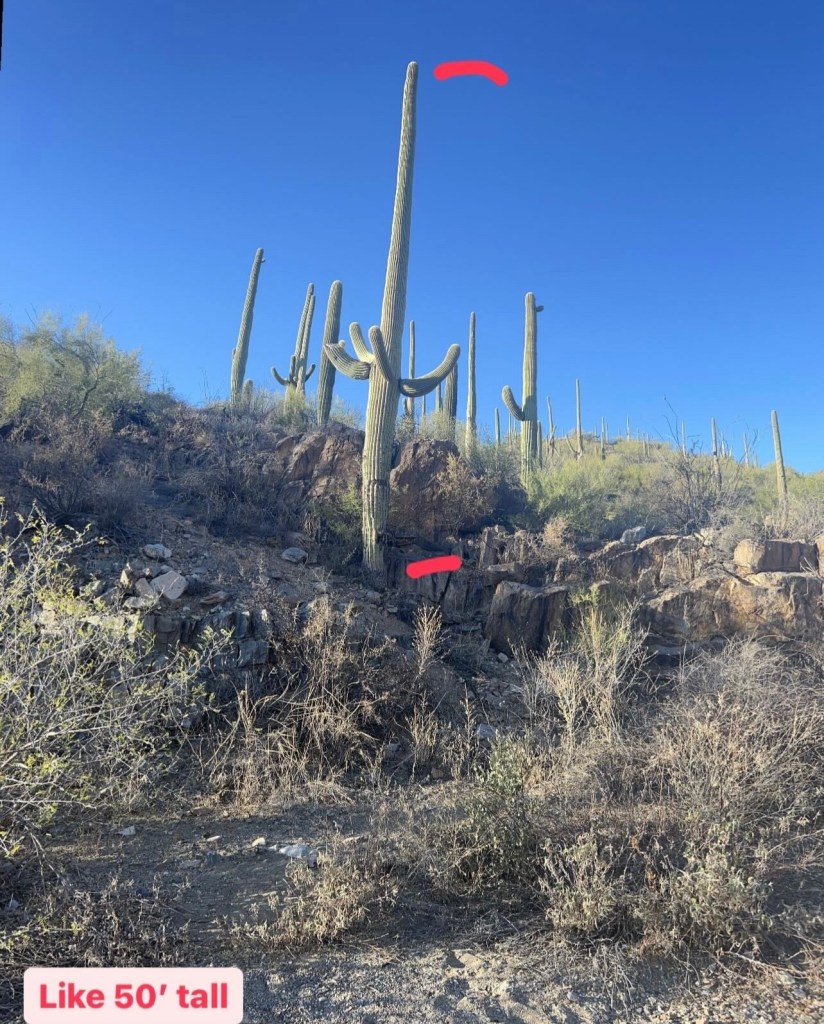
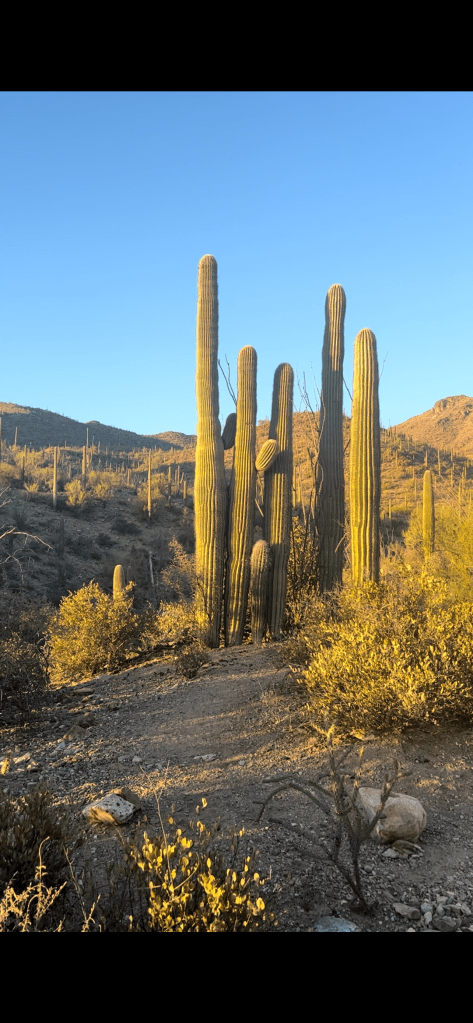
Petroglyphs at King’s Canyon trailhead is across the street from the Sonoran Desert Museum. This trail starts out as a hike through a wash with towering saguaros, some reaching 50 feet in height. I love this hike because it highlights the variance in form present with saguaros and showcases some really old cacti. It takes 50-75 years for a saguaro to grow a single arm; there are like 200 year old saguaros on this trail with like 20 arms. Kind of mind blowing to take a step back and ponder all the things these cacti have seen in their lifetime, considering they have been around before Arizona was even formally recognized as a state.
This trail leads to a set of petroglyphs that have been dated to being around 1,000 years old. As I sit amongst the rocks where the petroglyphs are found, I wonder what daily life was like back then. Surely there was some overlap with respect to things like interpersonal relationships and familial dynamics. There are familiar symbols to be found like the Sun, but many of the symbols look like alien artifacts from a bygone era. Many people don’t know this, but the Tucson region is likely the oldest continuously inhabited area in the United States with remains found from over 12,000 years ago.

Safford Peak
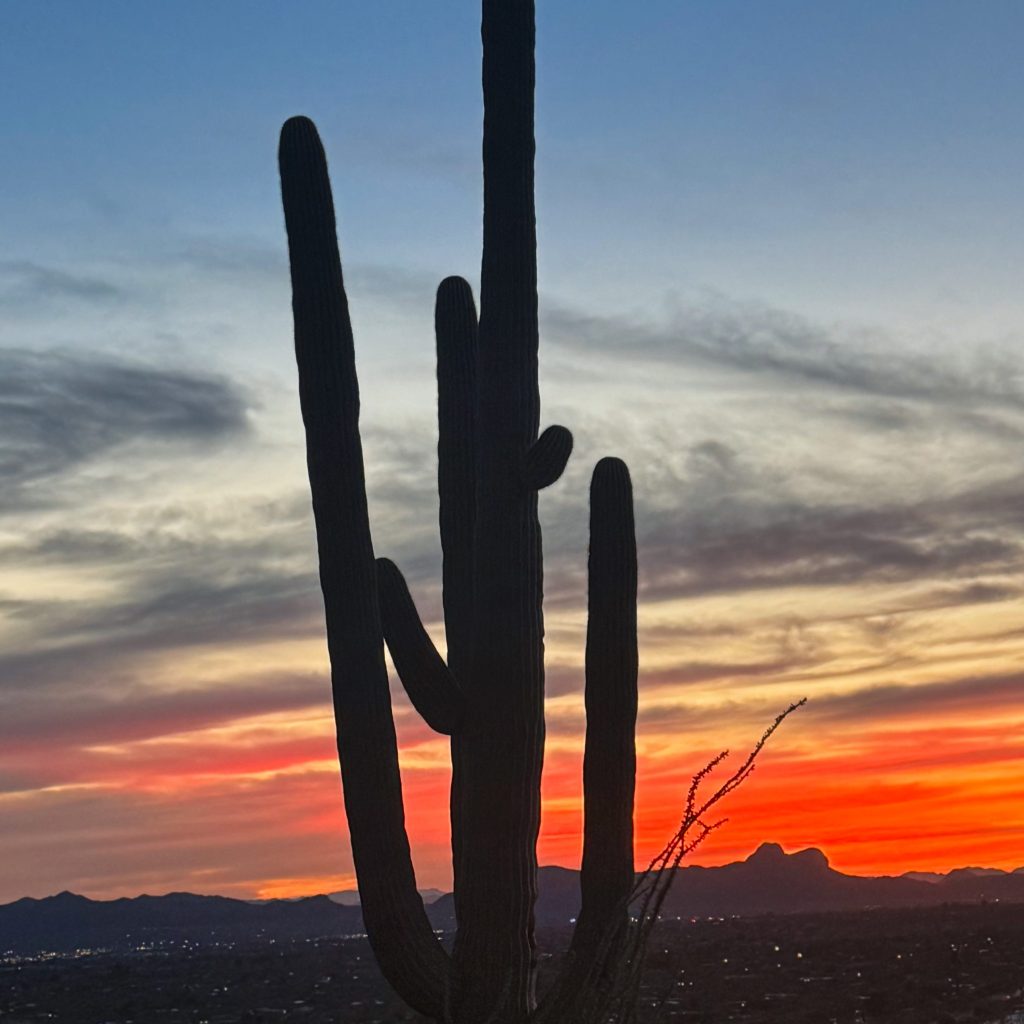
Safford Peak or “Sombrero Peak” as it’s affectionately known, is near and dear to my heart as it is one of the first trails I would frequent as a kid growing up in Marana. Located in the northernmost part of the Tucson Mountain District, the trailhead is like a 5 minute drive from the house I grew up in and the first home I purchased. I’ve done this hike at sunrise, morning, midday, sunset, and have even descended from the peak in the dark. It’s one of my favorites because there are many permutations to experiencing this area:
- 30 minute scenic loop around Sanctuary Cove that is more accessible for children, the elderly, and those new to hiking
- An hour loop that starts scenic in Sanctuary Cove and then up and around through backcountry
- Finally, there’s a two hour option that takes you to the summit of Safford Peak and back down again.
Sanctuary Cove

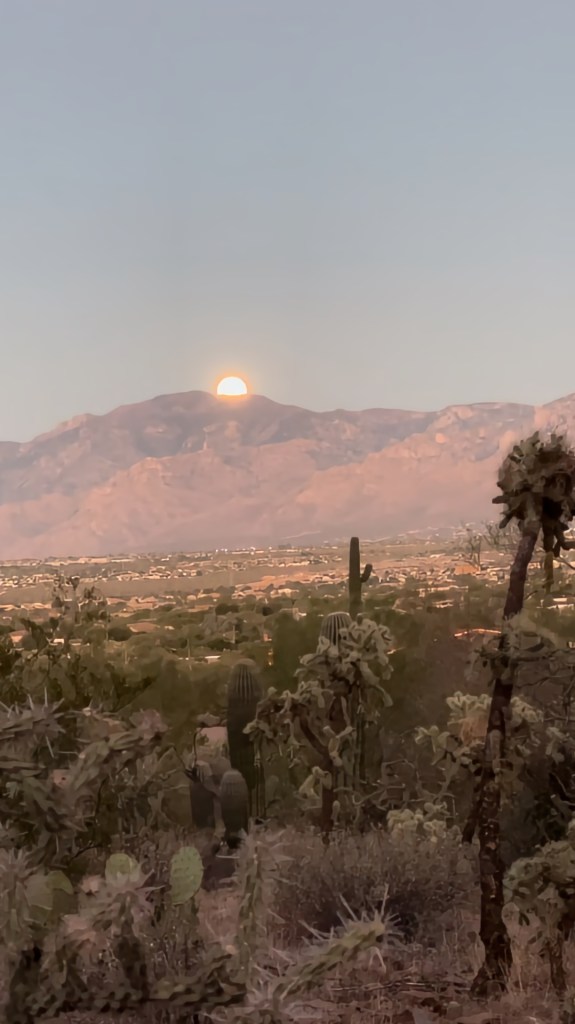
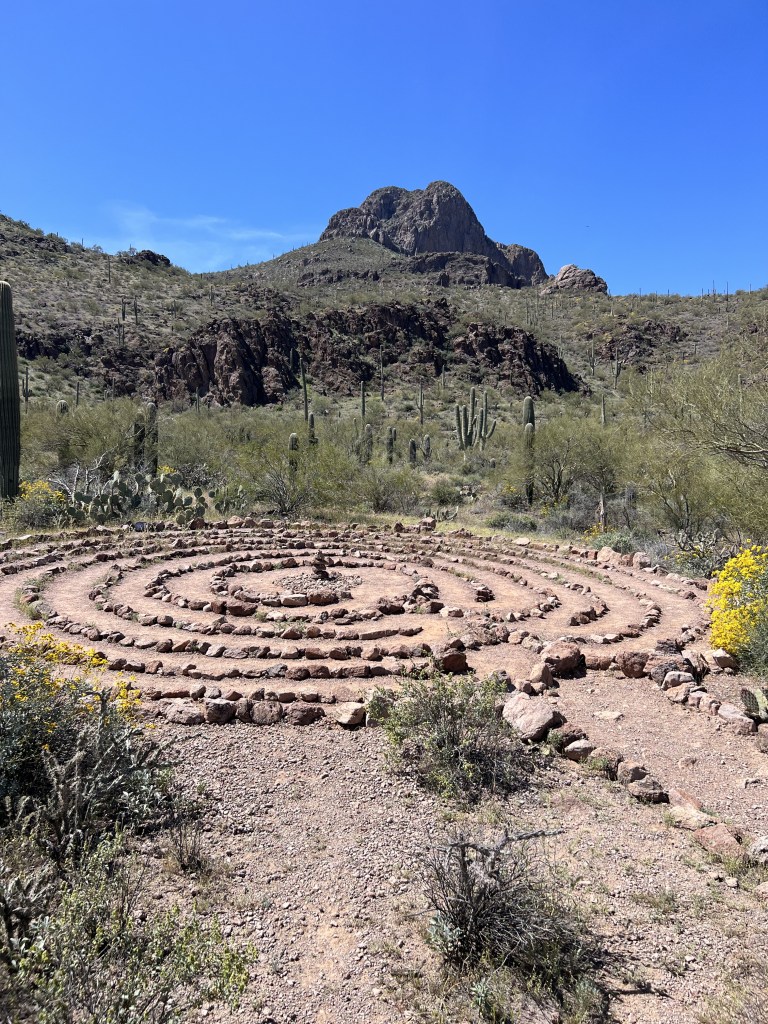
Sanctuary Cove is a religious, non-profit, protected loop managed by All Creeds Brotherhood with plaques highlighting some of the foliage common to the Sonoran desert. This loop is super zen as there is a labyrinth and placards with quotes that make you think about the role nature and higher power plays in our world. Waking up in the morning and doing a loop around the cove with a journey into the center of the labyrinth and out always sets a positive tone for the remainder of my day. The cove also provides an awesome place to watch the full moon rise. I’ve seen Mule Deer grazing along the trail in the morning and it’s worth mentioning that I did run into a very pissed off six foot rattlesnake on the trail one morning during the summer here, proceed with caution.
Loop
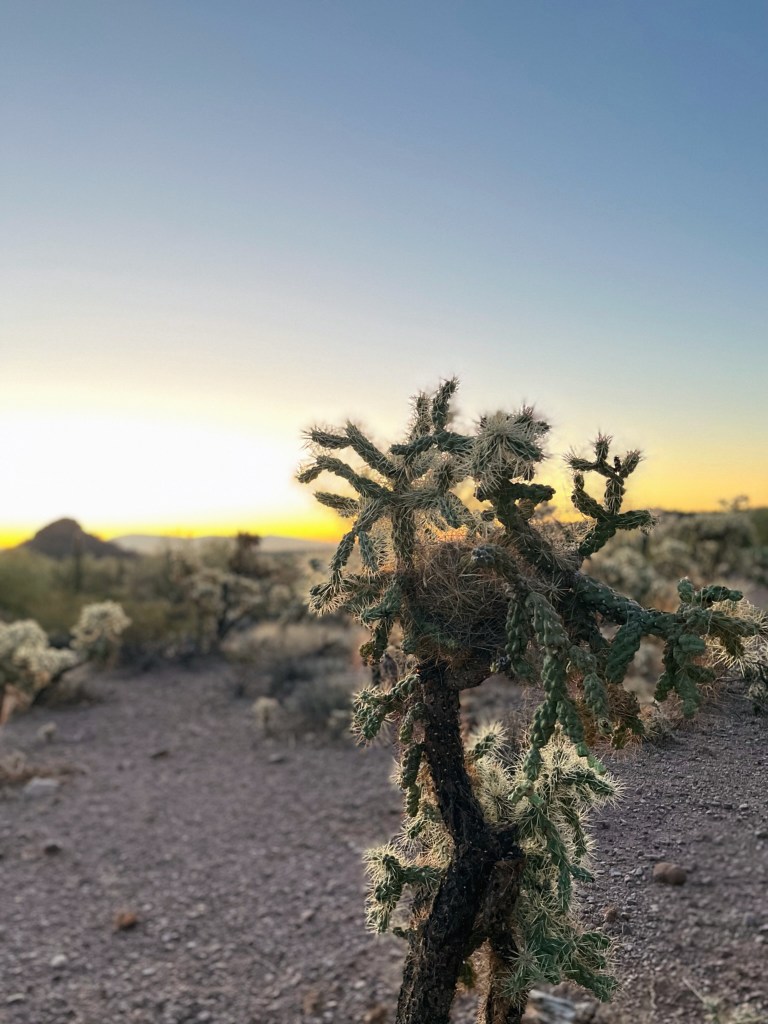
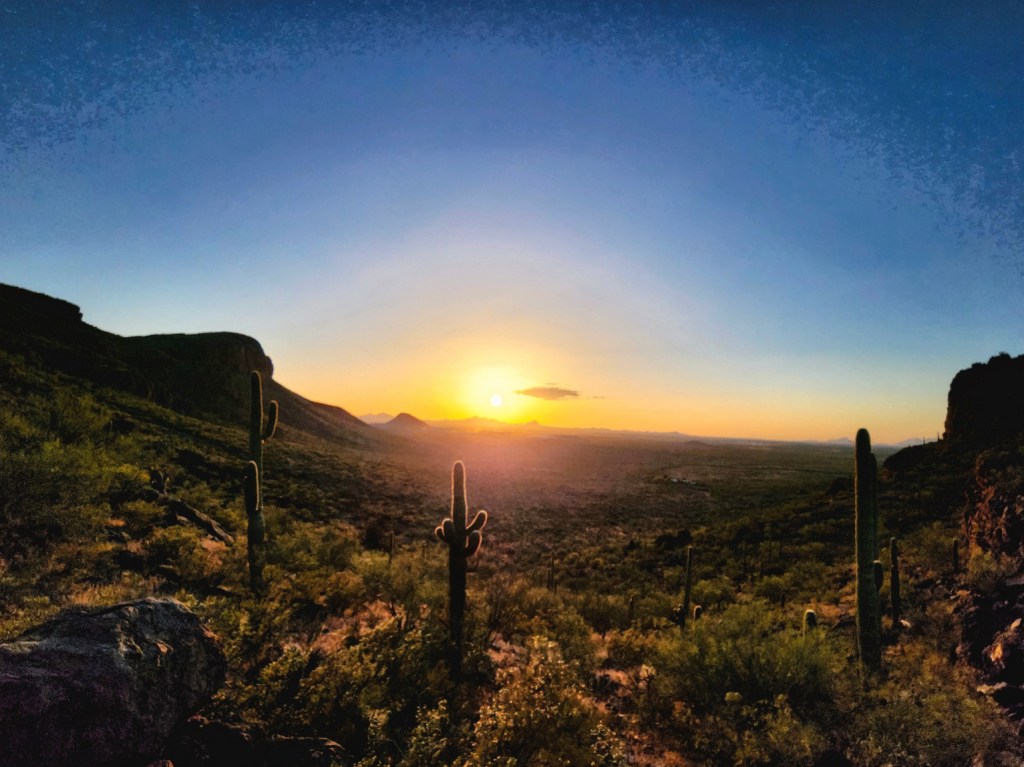
The Loop or what I like to call the “up and over” is my usual go to for early morning hikes before logging on for work or late afternoon before sunset. It’s 2.5 miles, roughly an hour, to do the whole loop. When determining if you’re going to do the trail clockwise or counterclockwise, I recommend starting on the Sanctuary Cove side and going counterclockwise as the ascent is less treacherous than descending down the slopes with slippery rock present. I’ve seen Mule Deer, Javelina, and even a Gila monster along this loop. There’s a rappelling course dug into the side of a mountain close to the parking lot that rock climbers frequent.
Safford Peak
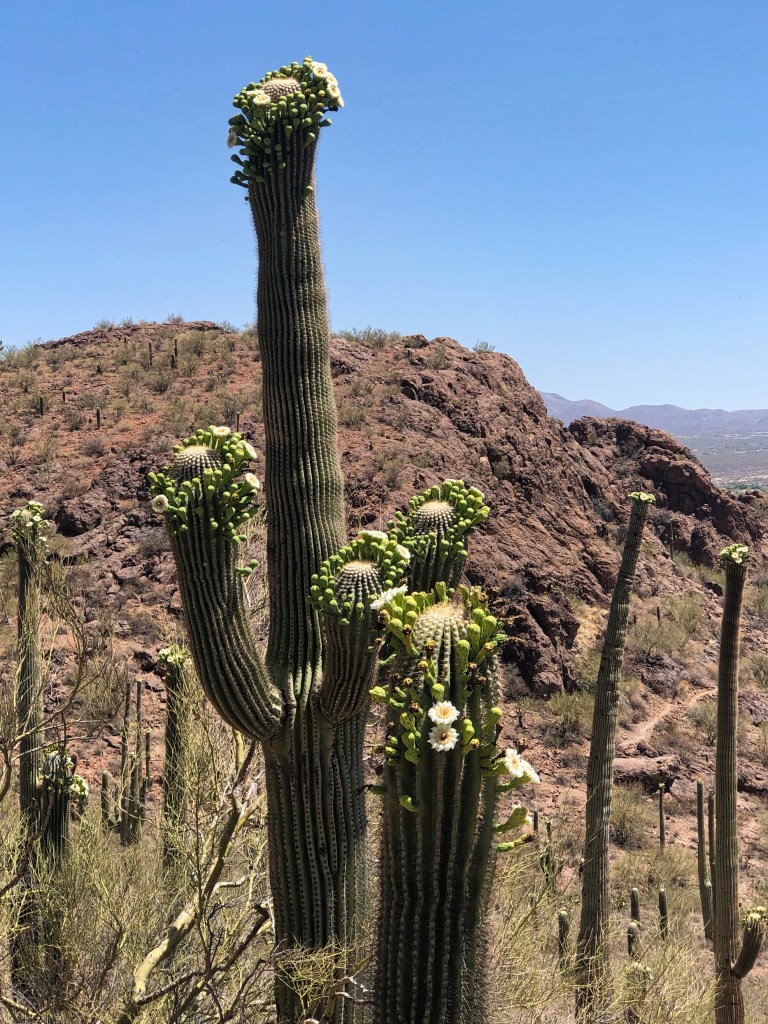
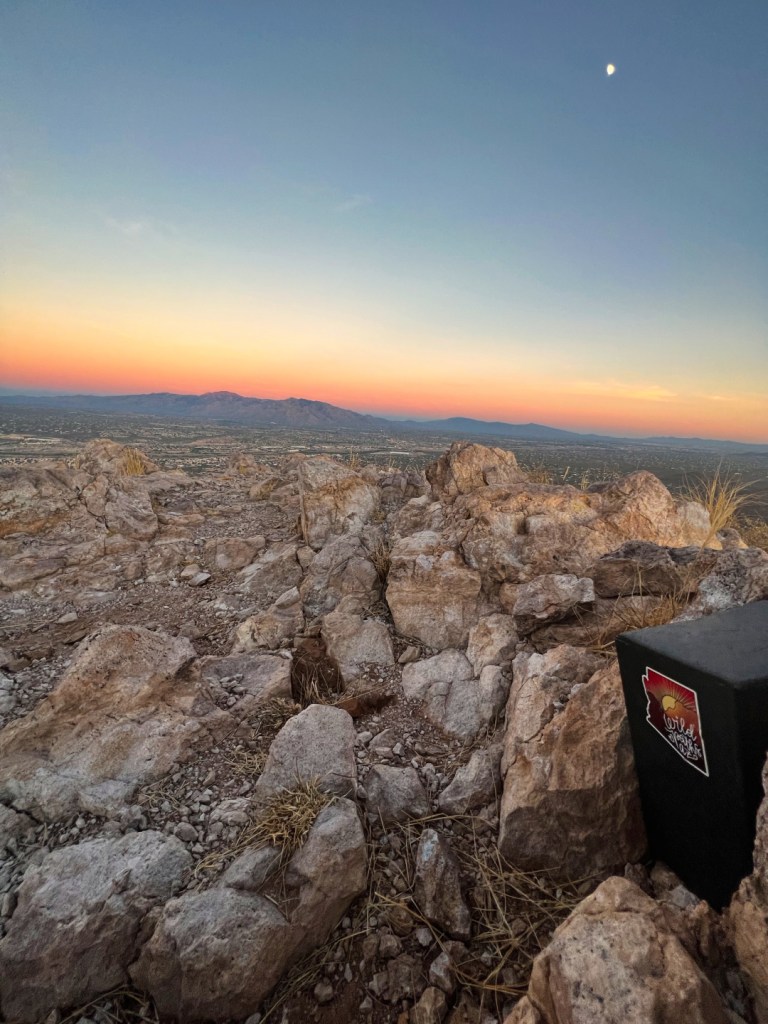

The trail to the summit atop Safford Peak offers panoramic views of Tucson. During the summer season, you can catch a glimpse of blooming saguaros on the ascent. These events are very rare to catch on camera as the flower of the Saguaro only lasts for a day before dying. Bring lots of water it can easily get to 110 degrees during the summer months. It’s rocky and primitive in spots near the top – follow the spray paint markers. I’ve gone all the way from the bottom to the summit in under an hour – it’s an intense workout guaranteed to get your heart rate going!
Honorable Mention
- Gates Pass – awesome place to watch the sunset from your car!
Rincon District
Bridal Wreath Falls
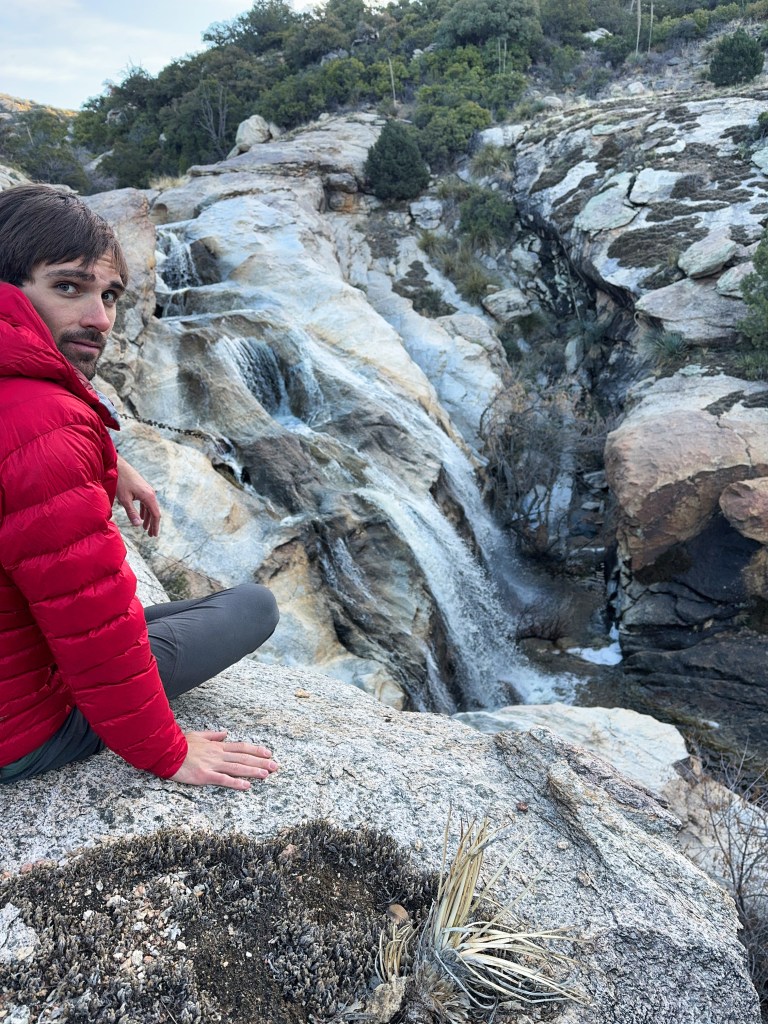
This one is a must see during the winter months and has a whole entry in my post about Tucson Desert Oases. This trail ends at a double cascading seasonal waterfall that resembles a long tailed Bridal Wreath; I love hiking out to the set of pools fed by this waterfall.
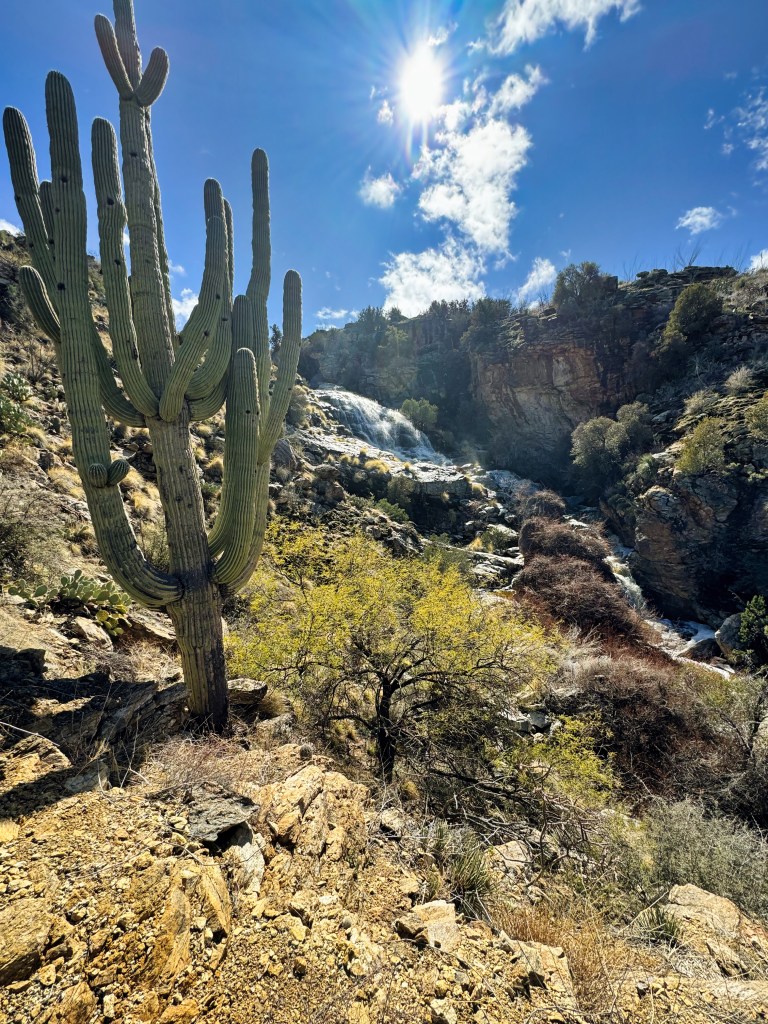
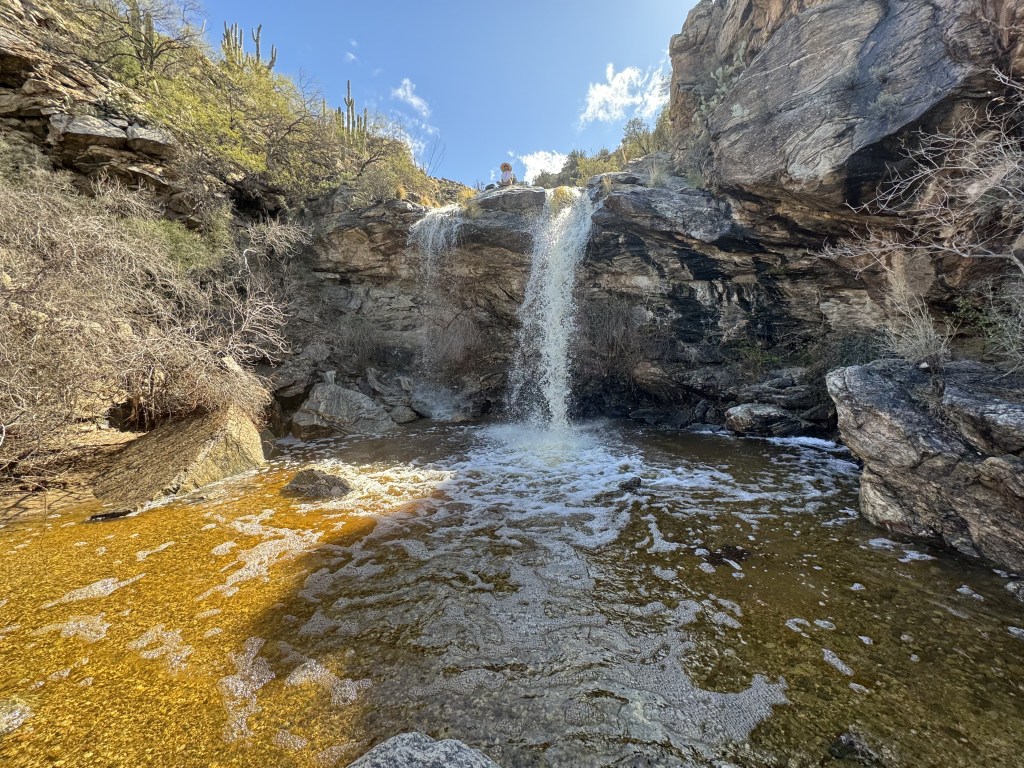
Roughly six miles roundtrip, this hike highlights the interconnected nature of the ecology found in the higher elevation Sky Islands and the environment on the desert floor. As snow falls and melts atop the Rincon Mountain, the falls below form for a few weeks out of the year creating a beautiful naturally fed swimming hole. Popular with all ages, the trail is very accessible with only a handful of creek crossings. The flow under the waterfall is very powerful and makes the sand like quicksand.
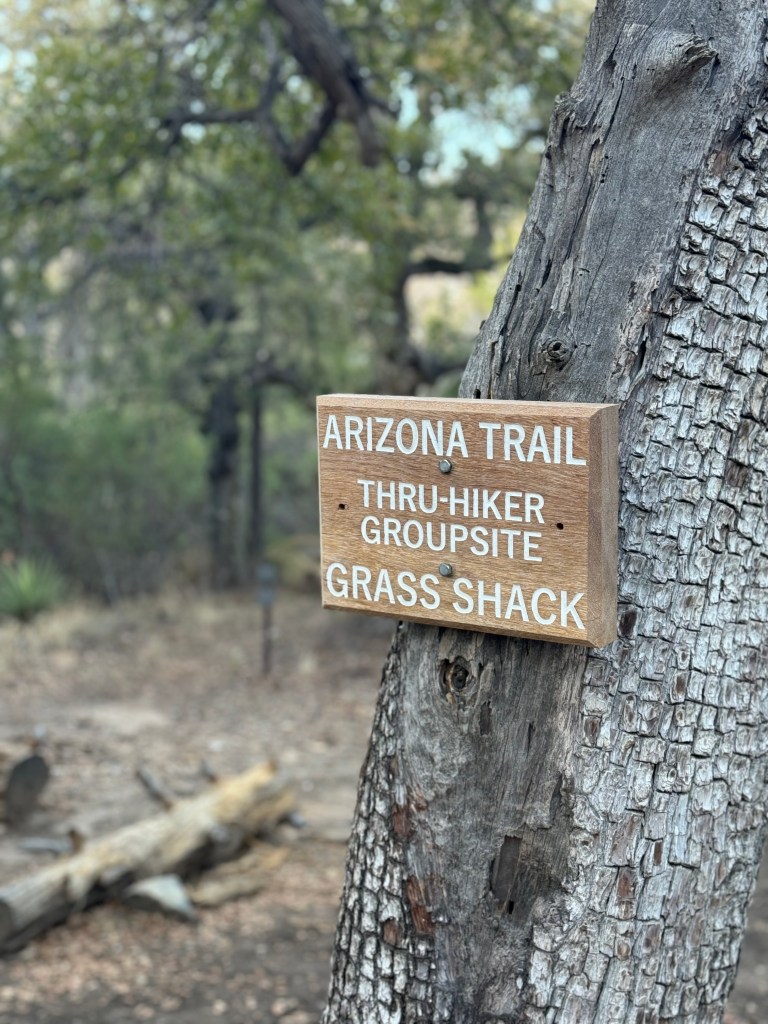
Hope Camp to Grass Shack
The FKJ song Way Out comes to mind to describe this journey.
Intersecting a passage of the Arizona Trail, this one takes you up to the established Grass Shack campsite. The campsite is a common stopping point for many hikers on their way up to Manning Camp atop the Rincon Mountains. Starting from Hope Camp trailhead, it’s ten miles one way to Grass Shack. I wrote much of what follows on the way up to Grass Shack and while I was camping there.
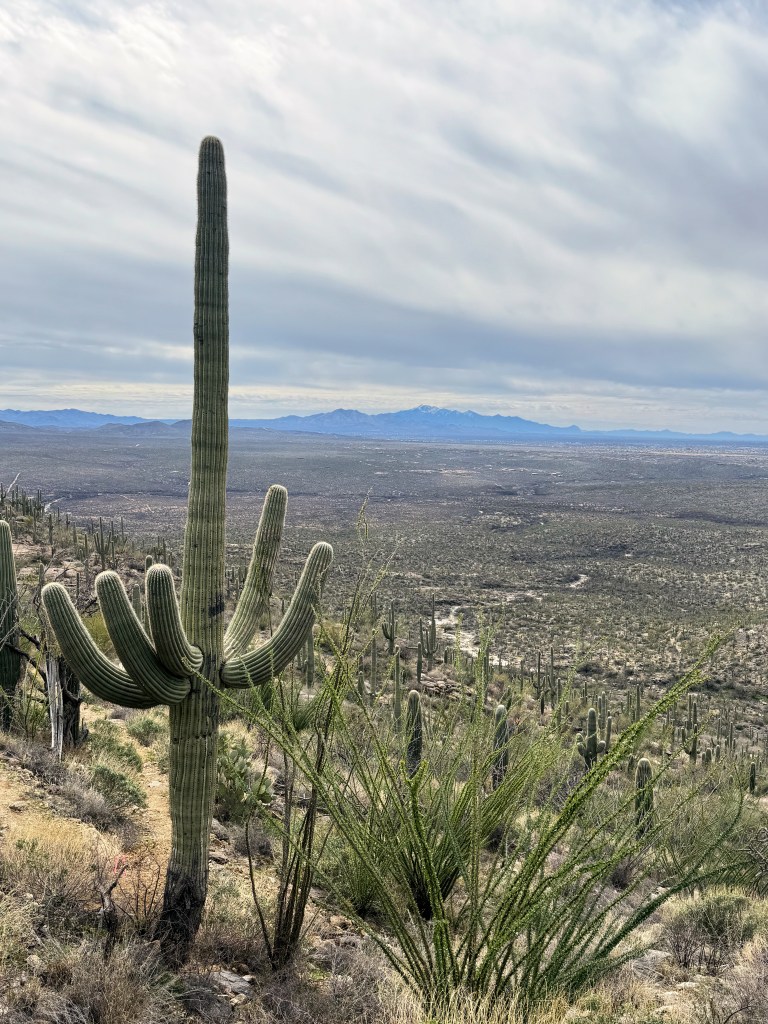
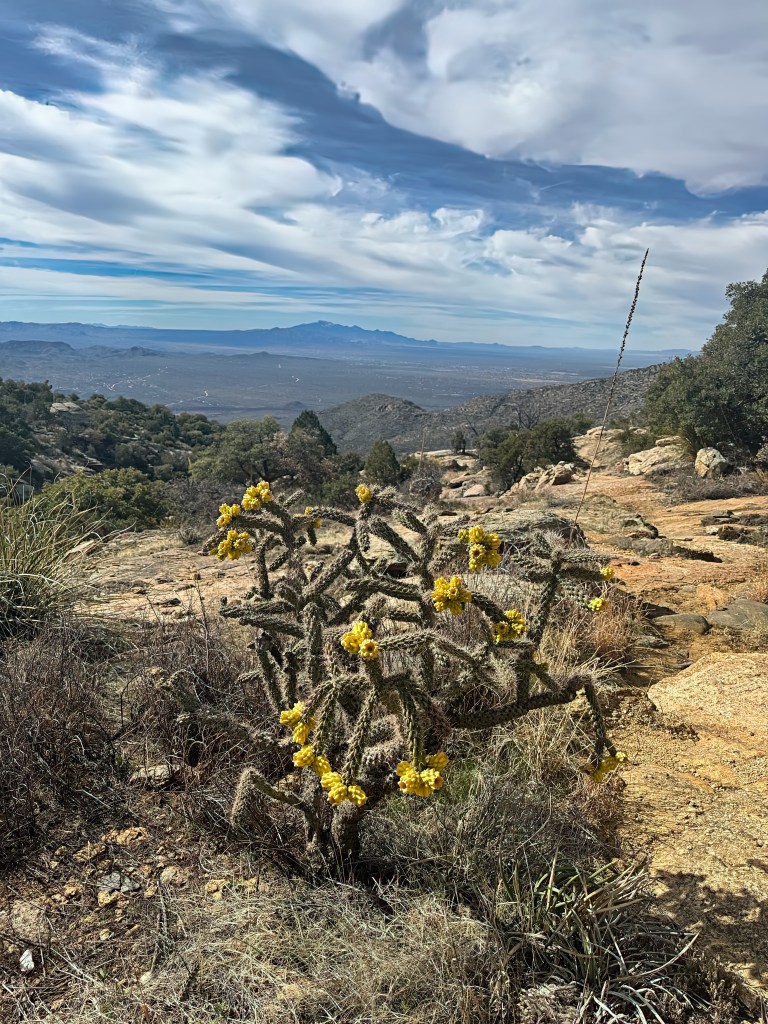
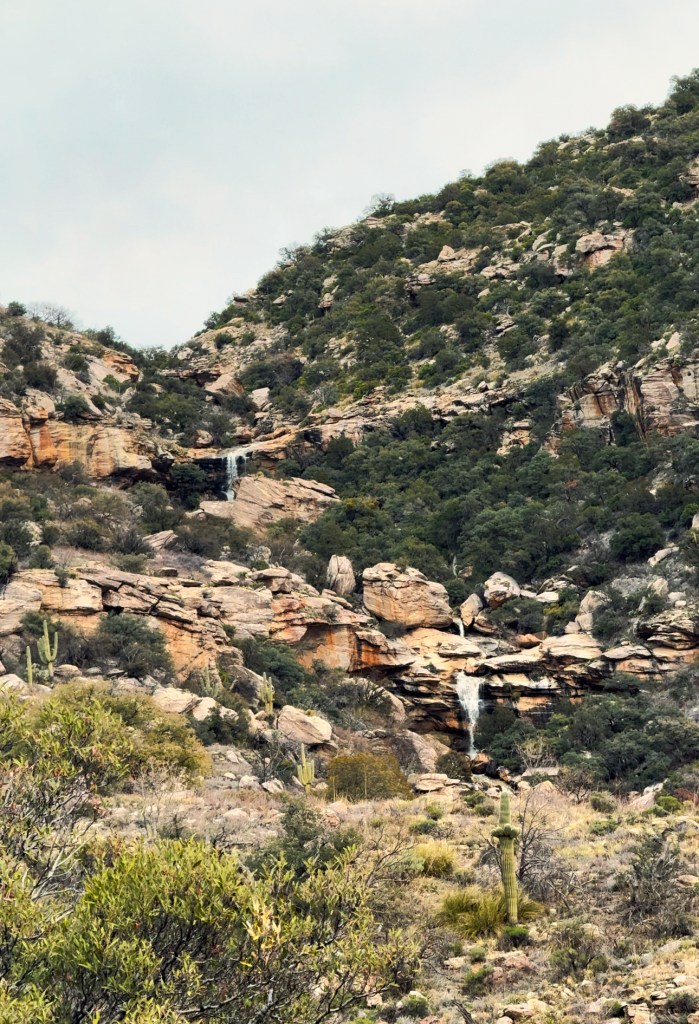
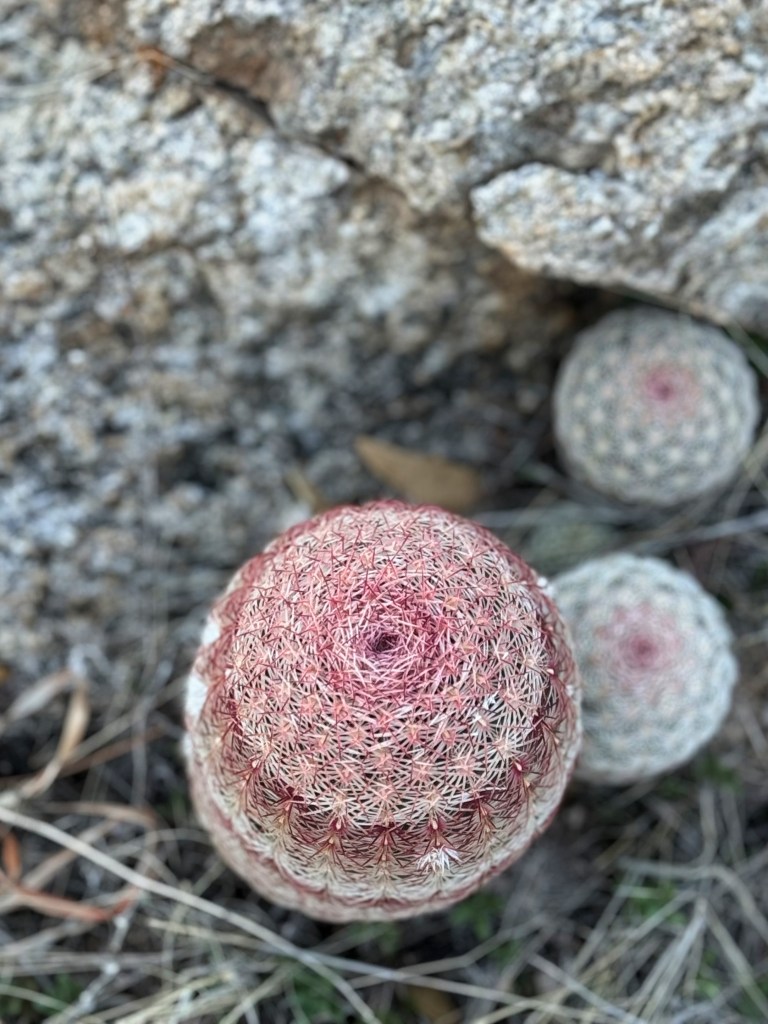
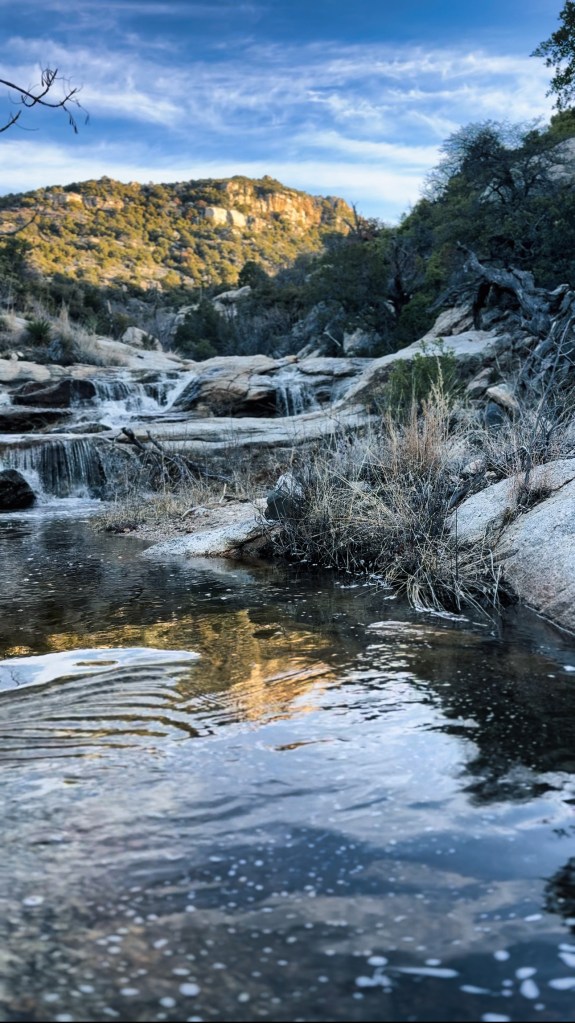
I’m six miles on the Hope Camp trail to Grass Shack campground and am the only person for miles. It’s my first backpacking trip and the first time I’ve ever set up a tent in nature. Terrain has changed dramatically from the trailhead to mile six. I’ve gained 1000 feet elevation, from valleys surrounded by saguaros, prickly pear, ocotillo, agave palmeri, Cactus Wren, Canyon Spotted Whiptail, lizards, and a lone Coatimundi to a mid-elevation forest environment filled with Desert Ironwood, Catclaw, Cholla, and grey squirrels. Once I got eight miles in, cascading waterfalls and flowing streams seemingly appeared out of nowhere. The sound of running water and the sight of a waterfall is always a welcome sight in the desert, especially when you’re down to your last liter of water. The final two, three miles of this trail are brutal as you ascend the remaining 2,000 elevation after already walking nearly seven miles. By the time I get to Grass Shack, the ecology has changed again to Alligator Juniper, Pointleaf Manzanita, Piñon Pine, Gila Woodpecker, Pyrrhuloxia, Red Tailed Hawk, and more grey squirrels.
I embarked on this trail as a test run for Havasupai Falls in two weeks. I took a free REI camping class two weeks ago. Per usual, there’s no substitute for experience and I’ve learned a lot on this test run:
- Grayl bottle purifies any water you put into it. Further reduction in uncertainty gained by boiling the water after too
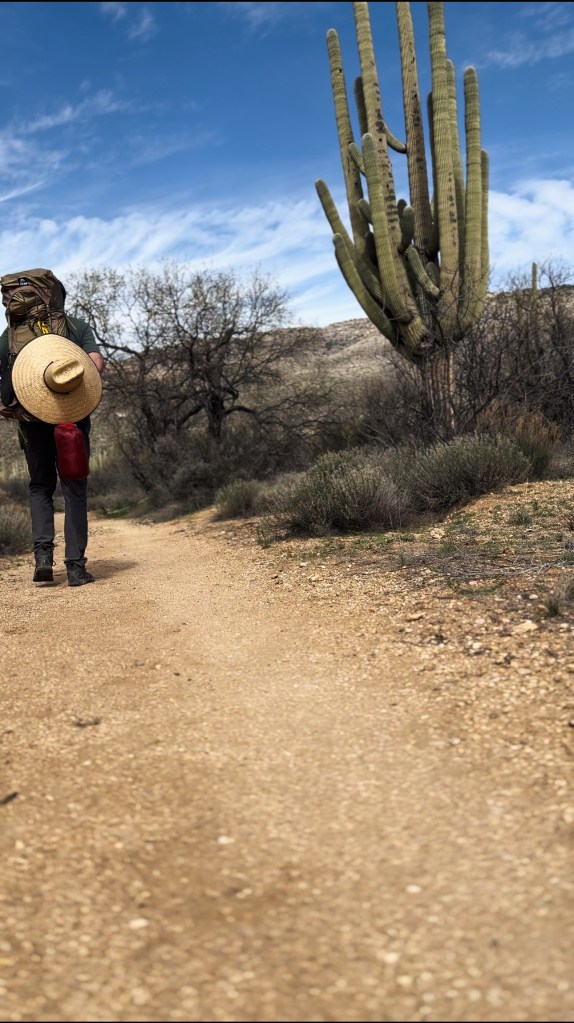
- My straw hat sombrero is not going to work for backpacking 😦 . The backpack is too tall and the sombrero doesn’t fit on my head when I’m wearing the backpack. Need a more flexible material that bends.
- It’s prudent to keep chapstick and hermetically sealed snacks in the hip belt pocket. Digging them out of the main pocket for Lunch was cumbersome. Even more so with a Bear Vault.
- Bear Vault not needed for Havasupai Falls, but was interesting learning how to pack around it – I ended up resting the Vault on the top of the pack sideways on top of my sleeping materials. Odorless bags will be sufficient for Havasupai.
- An extra meal per day is a necessity, one 580 calorie Peak Refuel Chicken Teriyaki packet (I earn a commission if you click this link and make a purchase at no additional cost to you) is not enough balance out the 1800 calories worth of a trek in. After the hike in, the meal was like eyes-roll-in-back-of-head level tasty. When finished, the meal packet makes a good zip up garbage bag.
- An extra set of socks and underwear is a necessity. One pair of socks for hiking, sweating, getting gross in and a pair to sleep in at the end of the night is the move. Same goes for underwear. If planning to hike multiple days – multiple pairs.
From the sunsets at Wasson Peak, to cold plunges at Bridal Wreath Falls, to the long lonely walk I currently find myself on up to the Grass Shack.
Arizona is a magical place.
I’m left in wonder and awe at the Native Americans and the resourcefulness and bravery required to inhabit this land for as long as they did, with none of the modern amenities that we take for granted. Shade is limited on this trail until you ascend 2,000 elevation up to the mid-elevation ecology. In the summertime, this area will be 115 degrees in the middle of the day. Right now, it’s 40 degrees at night and the natives didn’t have ISO approved temperature ratings available to help them pick a sleeping bag. I have a deep appreciation for the choice to attempt to live in harmony with the ecological complexity introduced by inhabiting an environment with Sky Islands present. The way we build shelter, transportation networks, and consume fossil fuels today is ignorant of and deeply disruptive to innate natural ecology. The only reason this place survives is because of conservation efforts and its status as a National Park. The proportion of conserved land present in a place is a telling metric of how industrialized the place probably is. I’m sure it’s super messy to try and untangle the levels of conservation guaranteed on a global scale as interoperability with respect to conservation ratings is an after thought in the manic dash towards “modernization” all countries seem to be currently engaging in.
I did it. I’m sitting in the tent next to a roaring stream running next to me. It’s a full moon tonight so visibility of the stars is limited – a real shame because I’m sure the stargazing out here is next level! Can definitely see the Milky Way on a clear night with no moon.
It’s 10.30 at night; I’m having a hard time sleeping. This gives me a totally new perspective on anybody who’s homeless, living in a tent, sleeping on the concrete floor every night. The ground is hard. It’s cold. I’m grateful for a mattress. It’s a humbling experience, sleeping on the ground. There’s nobody else here at the camp.
It’s so dry outside at night in the winter here in Tucson. I feel like I drink water, and it just goes right through me. I’m immediately thirsty. My lips cracked and chapped. Not enough chapstick in the world could get rid of this dryness. The full moon is so bright. I can see the shadow of the branches of the tree above on the outside of the tent. I jump awake at any sound in the night. New understanding of the phrase, sleeping with one eye open. The sound of the stream is both a relaxing white noise machine and utterly unforgivingly chaotic. Very different from the Aura app that I sometimes use to fall asleep to, there’s no volume button on this stream. It’s path wild and uncontrollable, on a relentless flow towards the desert floor.
I’m reminded of the essence of what life really is. Life is survival. The modern world has taken that from us to an extent. Domesticated, we live our lives in climate-controlled houses with air conditioning, food we forget about and condemn to a rotten fate in the refrigerator, and instant access to running water directly out of a pipe. Walking a half mile to do yard work, being out of breath, and retiring to enjoy a beer the normal weekend afternoon for many men. Most people in the US average less than 33% of the daily steps our ancestors would get. We have no concept of seasons as food has been made available on demand, irregardless of season, half the livable land on the planet set aside for raising other animals for us to eat. Smartphone apps facilitate sexual encounters faster than ever before, reducing the sacred courting ritual so important to sustaining humanity, down to a few pictures, a paragraph, a flick left or right, a couple messages, and a handful of dates. Most everyone I know is starving for genuine intimate human connection. Too busy caught in the hustle of paying rent, and budgeting time for family, friends, a hobby or two, travel, artistic expression, career growth, continuing education, and all the other added complexities layered on top of the base food, water, shelter, sunlight, sleep, exercise, nutrition, purpose, spirituality, community, insipid detox requirements for a healthy life.
A very real codependency exists for technology and telecommunications to derive our sense of community and belonging today; we tend to react with eccentricity towards others getting too close or too far from us. This eccentricity is compounded by the presence of neural wiring that hasn’t caught up to the comforts of the modern day. Our parasympathetic nervous system was honed by the scalpel of evolution and 1000’s of years of surviving in uncertain environments; has been reduced to a Ferrari parked in the garage, limited to responding to little red dots on screens, collections of words in an email, and subtle shifts in tone of voice. If humans truly lived in Tucson 12,000 years ago; the internet is less than 50 years old; social media and smart phones are less than 20 years old, we’ve only had the internet for 0.41667% and social media and smart phones for 0.1667% of the time humans have lived in this area. 99.583% of the experience used to train the policy running in our heads was before the internet and 99.833% of the experience used to train the policy running in our heads was before social media and smart phones. The difference in actions, reward function, stimuli received, and corresponding policy employed by humans today and humans who lived 100 years ago is astonishing to think about.
Awareness, acceptance, and self compassion for innate eccentricity are logical things to practice as we grapple with a policy that hasn’t quite updated to the environment we now inhabit. Despite the feebleness of our biological cognitive faculties attempt to keep up with advances in technology, I’m always astonished at how fast humanity evolves. The technology and telecommunications skill proficiency gap in three generations between Boomers and Gen Z is incredible to zoom out and consider. Modern machine learning requires thousands, if not millions, of training steps and ridiculously expensive hardware to update a complicated policy; a human child learns how to ride a bike after falling maybe tens of times. From a generation that ushered in the proliferation of TV to a generation that grew up with everyone having a channel of their own, I shudder at how insanely proficient todays toddlers will be with artificial intelligence tools by the time they are my age. Computer science as a discipline taught at university will become unrecognizable over the next 30 years and the set of knowledge acquired during my masters program will probably mean little in the job market of the future.
It is a little crazy: one has to consciously choose to walk into wilderness away from civilization to get true appreciation for the reward of basic survival. The scene of humans visiting a museum to see a tree from Aldous Huxley’s Brave New World novel comes to mind. Majority of us live our whole lives acquiring increasing levels of comfort and distance away from the baseline of just surviving in nature. Chasing 10% raises, bigger houses, faster cars, higher thread counts, slimmer waists, bigger muscles, more passport stamps, photos, and designer in the closet. Our fundamental relationship with nature has been stripped away in the presence of rampant mass consumerism. Consumerism to improve our posture and appearance in the arena of humanity. Self image has been distorted by unrelenting thought placement that we are lacking and this product, service, experience will make us whole and worthy of attention again. The most powerful technology the world has ever seen is omnipresent under the surface, driving us to constantly engage with a reality outside our immediate haptic vicinity, yet audio-visually stimulating and recognizable from the collective expenditure of our time and energy.
I’m grateful I don’t have to sleep with one eye open in the suburbs. I can walk out the back door of my house, leave the door open for 15 minutes and have absolute peace of mind that there won’t be an animal waiting for me in the house when I get back. I recognize and am grateful for my privilege. I have never honestly been insecure about putting a roof over my head. One night of this, it makes sense why being homeless is so chaotic for mental health. It’s this experience plus an adversarial factor of other humans in the environment. I can’t imagine not knowing where my next meal will come from or constantly looking over my shoulder, checking to see if someone’s following me or wandering out for the day, insecure that my tent is going to be raided; all my things stolen.
I’ve learned I need to pack a proper breakfast before hiking out. Packing up camp takes longer than setting up when you have to stuff everything back in the backpack! It took me like 20 minutes to set camp up and like 75 minutes to tear down. Getting the tent and the sleeping pad back in the bag proved to be challenging. Budget extra time for travel out days.
A night in the woods in the Rincon Mountain District had a massive impact on my perspective on life. I left feeling grateful for the comforts in my life and with confidence that I demonstrated resourcefulness to survive in a hostile environment on my own. Witnessing the change in scenery, characteristic of the Sky Islands found in Arizona gave me a whole new appreciation for the place I’ve called home for most of my life. It’s one thing to drive up Mt. Lemmon and witness the ecological change, it’s another thing to see it on foot – I can see the appeal of doing the Arizona Trail.
Honorable Mention
- Manning Camp – Five miles further than Grass Shack – this one is on top of my list next time I’m in Tucson for waterfall season
- Tanque Verde Ridge – A different trailhead to begin the ascent towards Grass Shack and Manning Camp. I did this one late summer and the views of Tucson are spectacular. I’ve heard the wildflowers are gorgeous on this trail during the spring.
 Travel, Nature, Growth
Leave a comment